
Spine Tumor Surgery In Pune – Dr. Alok Gadkari
Spine tumors are abnormal growths that develop within or around the spinal cord and vertebrae. While some tumors are benign, others may be malignant and aggressive. Therefore, early diagnosis and timely surgical intervention play a critical role in preventing neurological damage and spinal instability.
In Pune, Dr. Alok Gadkari provides advanced spine tumor surgery using modern diagnostic tools and precision-based surgical techniques. Moreover, he evaluates each case carefully to determine whether the tumor originates in the spine (primary tumor) or spreads from another organ (metastatic tumor). Because the spine protects vital neural structures, treatment planning requires technical expertise and detailed anatomical understanding.
Additionally, tumor growth can compress nerves, weaken vertebrae, and compromise mobility. Consequently, patients may experience progressive symptoms that demand immediate medical attention. Through comprehensive evaluation and individualized surgical planning, patients receive safe, targeted, and outcome-focused treatment.
Most importantly, early consultation improves surgical success rates and reduces long-term complications.
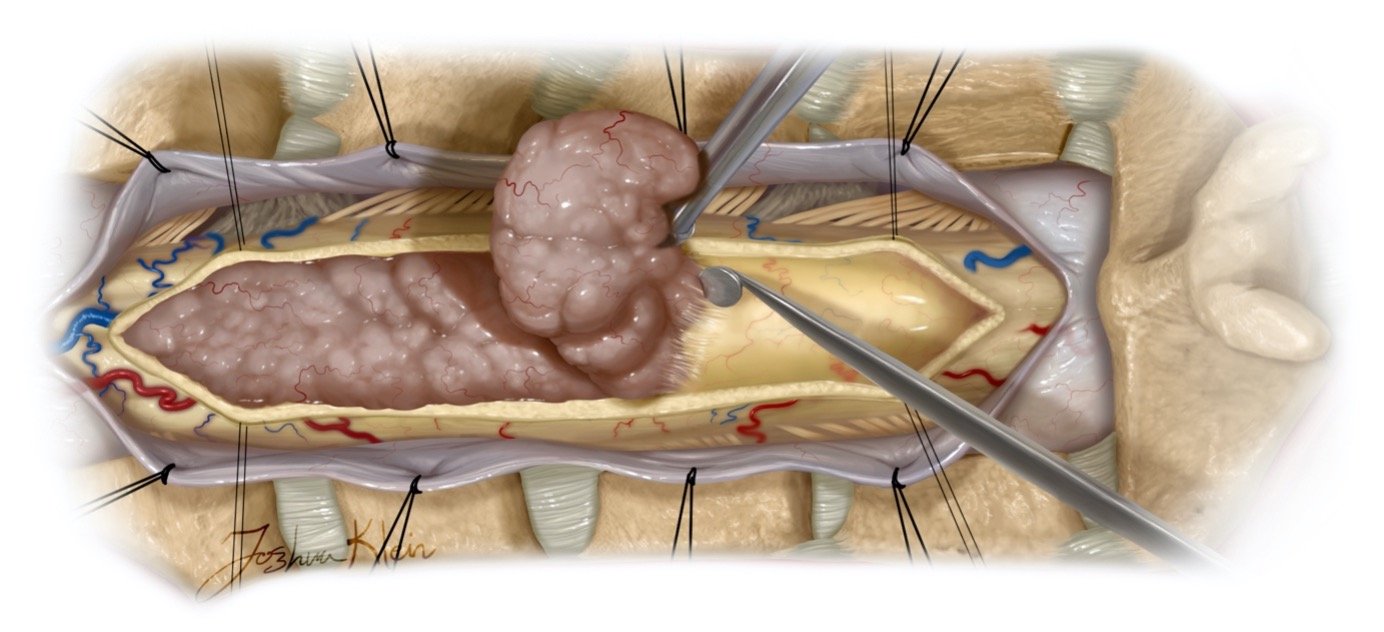
Types of Spine Tumors
Spine tumors fall into different categories depending on origin and location. Primarily, tumors may be classified as intramedullary (within the spinal cord), intradural-extramedullary (inside the dura but outside the cord), or extradural (outside the dura, often affecting vertebrae).
Furthermore, primary spine tumors originate in the spinal tissues, whereas metastatic tumors spread from cancers such as breast, lung, prostate, or kidney. Because metastatic tumors are more common, thorough systemic evaluation becomes essential before surgical intervention.
Benign tumors, including meningiomas or schwannomas, usually grow slowly; however, even non-cancerous tumors can cause significant neurological compression. On the other hand, malignant tumors require aggressive management to prevent rapid progression.
Therefore, accurate classification through MRI, CT scans, and biopsy ensures that the surgical strategy aligns with tumor behavior, location, and patient health condition. Proper identification ultimately determines the approach, prognosis, and recovery timeline.
Symptoms of Spine Tumors
Spine tumors often present with persistent back pain that worsens at night. Additionally, patients may experience radiating pain into the arms or legs depending on tumor location. Because nerve compression affects function, weakness, numbness, or tingling frequently develops over time.
In advanced cases, individuals may notice difficulty walking, balance problems, or even loss of bladder or bowel control. Consequently, these neurological red flags require urgent evaluation.
Systemic symptoms such as unexplained weight loss, fatigue, or a history of cancer may further raise suspicion of metastatic involvement. Therefore, patients should not ignore chronic or progressively worsening spinal pain.
Through detailed neurological examination and imaging studies, Dr. Alok Gadkari identifies tumor impact on surrounding structures. Early detection significantly improves surgical outcomes and protects spinal cord function.
Diagnostic Evaluation and Imaging
Accurate diagnosis forms the foundation of successful spine tumor surgery. Initially, clinical examination evaluates motor strength, reflexes, sensation, and spinal alignment. Subsequently, MRI scans provide detailed visualization of soft tissue structures and neural compression.
CT scans, meanwhile, help assess bony destruction and vertebral stability. In certain cases, PET scans assist in identifying metastatic spread. Additionally, biopsy confirms tumor type and guides oncological management.
Because tumor behavior varies significantly, multidisciplinary consultation may include oncologists and radiologists. Therefore, treatment planning integrates imaging findings, pathology reports, and patient-specific risk factors.
When Is Spine Tumor Surgery Required?
Surgery becomes necessary when tumors cause neurological deficits, severe pain, spinal instability, or progressive deformity. Moreover, rapid tumor growth demands immediate decompression to prevent irreversible nerve damage.
If conservative treatment fails to control symptoms, surgical removal offers relief and structural stabilization. In metastatic cases, surgery may reduce pain and improve quality of life even when complete tumor removal is not possible.
Therefore, timely surgical intervention prevents permanent disability. Careful case selection ensures that benefits outweigh risks.
Surgical Techniques for Spine Tumors
Modern spine tumor surgery focuses on maximal tumor removal while preserving neurological function. Typically, procedures include decompression, tumor excision, and spinal stabilization.
Minimally invasive techniques reduce muscle disruption and blood loss. Additionally, advanced surgical microscopes and intraoperative imaging enhance precision. When vertebral destruction compromises stability, instrumentation using screws and rods restores alignment.
In complex cases, staged procedures may be necessary. Therefore, customized surgical strategies address tumor size, location, and biological behavior. Because spinal cord protection remains paramount, meticulous surgical technique ensures optimal safety and recovery.
Minimally Invasive Spine Tumor Surgery
Whenever feasible, minimally invasive surgery offers significant advantages. Smaller incisions reduce tissue trauma and postoperative pain. Consequently, patients experience shorter hospital stays and faster mobilization.
Endoscopic and tubular retractor systems allow precise tumor removal while protecting surrounding structures. Furthermore, reduced blood loss and lower infection risk improve overall outcomes.
However, not all tumors qualify for minimally invasive approaches. Therefore, careful evaluation determines candidacy. When appropriate, this technique accelerates rehabilitation and supports quicker return to daily activities.
Postoperative Recovery and Rehabilitation
Recovery after spine tumor surgery depends on tumor type and surgical complexity. Initially, pain control and wound care form the primary focus. Soon after, guided physiotherapy helps restore strength and mobility.
Rehabilitation programs emphasize gradual movement, posture correction, and muscle strengthening. Additionally, follow-up imaging monitors healing and detects recurrence early.
Because neurological recovery varies, consistent monitoring remains essential. With structured rehabilitation and medical supervision, patients regain independence and functional capacity.
Pain Management and Supportive Care
Effective pain management enhances recovery and quality of life. Physicians prescribe appropriate medications based on severity and individual tolerance. Moreover, physiotherapy and controlled activity prevent stiffness and muscle weakness.
Psychological support may also benefit patients coping with cancer-related stress. Therefore, holistic care improves overall well-being during recovery.
Technology and Surgical Precision
Advanced technology significantly improves surgical safety. Intraoperative navigation systems guide accurate tumor removal and implant placement. Additionally, neuromonitoring protects spinal cord function during surgery.
Laser-assisted tools and high-definition imaging increase precision. Consequently, complication rates decrease while functional outcomes improve. Commitment to innovation ensures that patients receive evidence-based and technologically advanced spine tumor treatment in Pune.
Long-Term Monitoring and Recurrence Prevention
Long-term follow-up remains essential after spine tumor surgery. Regular imaging detects recurrence early. Additionally, coordination with oncology specialists ensures appropriate chemotherapy or radiation therapy when required.
Lifestyle modifications, strength training, and posture correction further protect spinal integrity. Therefore, proactive monitoring improves long-term prognosis and functional stability.
Book an Appointment
If you experience persistent back pain, neurological symptoms, or have a history of cancer with spinal discomfort, early consultation is critical. Dr. Alok Gadkari offers comprehensive spine tumor evaluation and surgery in Pune using advanced techniques and patient-focused care.
Appointments can be scheduled via phone or online consultation. Prompt evaluation prevents complications and improves recovery outcomes. Schedule a consultation with Dr. Alok Gadkari, and take the first step towards a pain-free life.
📞Call now or book online for a detailed consultation.
Frequently Asked Questions (FAQs)
1. Are all spine tumors cancerous?
No. Some tumors are benign, but all require proper evaluation.
2. How long does surgery take?
Duration depends on tumor size and complexity.
3. Is complete tumor removal always possible?
Not always; however, surgery aims to remove as much tumor as safely possible.
4. How long is hospital stay?
Most patients stay 3–7 days depending on recovery.
5. Will I need additional cancer treatment?
Some patients require chemotherapy or radiation therapy based on tumor type.