
Spine Treatment in Pune – Dr. Alok Gadkari | Comprehensive Spine Treatment Under Expert Care
Your spine supports posture, movement, and nerve communication. Therefore, when spinal problems develop, they affect both mobility and overall quality of life. Spine treatment in Pune under Dr. Alok Gadkari focuses on identifying the root cause and delivering targeted solutions.
Initially, patients may experience mild discomfort. However, if symptoms persist, structural damage may progress. Consequently, early consultation prevents long-term complications.
Dr. Alok Gadkari evaluates each patient through detailed clinical examination and advanced imaging. Based on findings, he designs a personalized treatment plan. Because every spine condition differs, tailored care improves outcomes significantly.
Moreover, his approach integrates conservative management with advanced surgical expertise. As a result, patients receive comprehensive spine care under one roof.
Timely intervention restores stability, reduces nerve irritation, and improves functional recovery.
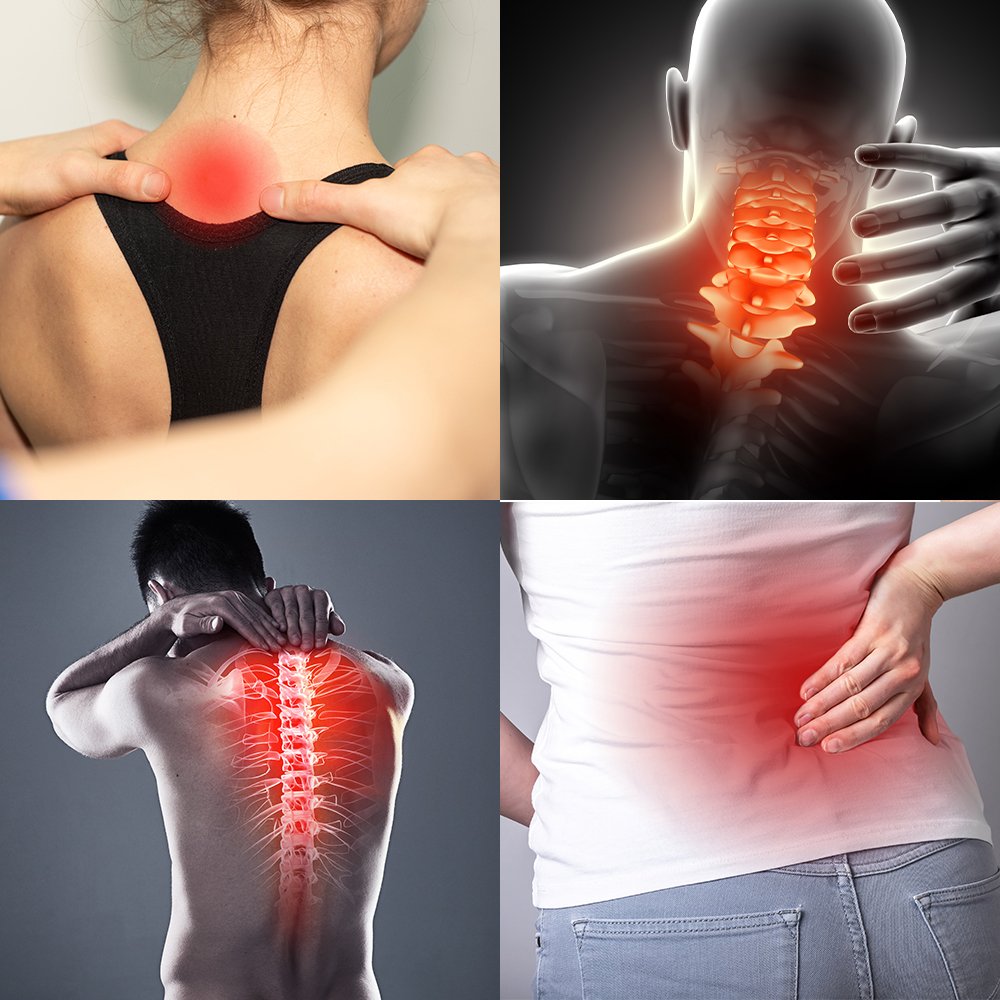
Conditions Treated by Dr. Alok Gadkari
Spine treatment in Pune covers a wide range of disorders. Most commonly, Dr. Gadkari treats slip disc, sciatica, cervical spondylosis, lumbar spondylosis, and spinal stenosis.
Additionally, degenerative disc disease often affects aging individuals. Similarly, scoliosis and kyphosis require structured correction strategies.
Furthermore, spinal fractures resulting from trauma demand immediate stabilization. In severe cases, spinal tumors or infections such as tuberculosis require surgical precision.
Because symptoms often overlap, accurate diagnosis becomes essential. Therefore, Dr. Gadkari combines neurological assessment with imaging evaluation to confirm the exact condition.Early identification improves recovery outcomes and prevents neurological deterioration.
Non-Surgical Spine Treatment Approach
Whenever possible, Dr. Gadkari prioritizes conservative treatment. Therefore, many patients recover without surgery.
Initially, medication reduces inflammation and nerve irritation. Additionally, physiotherapy strengthens core muscles and improves flexibility.Moreover, ergonomic advice and posture correction prevent recurrent strain. As a result, long-term spinal stability improves.
For persistent nerve pain, epidural injections provide targeted relief. Consequently, patients experience faster symptom control without invasive procedures.However, if conservative care fails after structured follow-up, advanced evaluation determines the next step.Consistent adherence to rehabilitation enhances recovery success.
Advanced Diagnostic Evaluation
Accurate spine treatment begins with precise diagnosis. Therefore, Dr. Gadkari utilizes MRI, CT scans, and digital imaging techniques.
MRI identifies disc herniation, nerve compression, and soft tissue abnormalities. Additionally, CT scans evaluate bone structure and fracture stability.
Neurological testing further assesses reflexes and muscle strength. Consequently, treatment planning becomes evidence-based and targeted.
Because early detection prevents irreversible damage, advanced diagnostics form a critical component of spine care.Comprehensive evaluation ensures correct intervention at the right time.
Minimally Invasive Spine Surgery
Complex Spine Surgery and Stabilization
Certain spinal disorders require advanced surgical intervention. For example, severe spinal instability, deformity progression, tumor involvement, or fracture displacement demand corrective surgery.Dr. Gadkari performs spinal fusion, deformity correction, and stabilization procedures with meticulous preoperative planning.
Because surgical precision determines neurological safety, intraoperative monitoring enhances nerve protection. Moreover, structured postoperative care supports recovery.
Timely surgical intervention prevents permanent disability and chronic neurological deficits.Comprehensive surgical expertise ensures structural alignment and long-term stability.
Rehabilitation and Functional Recovery
Successful spine treatment extends beyond diagnosis and surgery. Therefore, structured rehabilitation plays a central role in recovery.
Initially, supervised physiotherapy restores range of motion. Subsequently, strengthening exercises stabilize spinal support structures.
Additionally, flexibility training improves muscular balance. As a result, patients regain confidence in movement.Regular follow-up appointments monitor healing progression and adjust therapy plans when required.
Long-term rehabilitation reduces recurrence risk and enhances overall spinal health.Consistent effort during recovery determines sustained outcomes.
Lifestyle Modification and Preventive Spine Care
Why Choose Dr. Alok Gadkari for Spine Treatment in Pune?
When Should You Consult a Spine Specialist?
Advanced Technology and Surgical Infrastructure
Modern spine treatment requires precision, accuracy, and technological support. Therefore, Dr. Alok Gadkari integrates advanced surgical infrastructure into every stage of patient care.
Firstly, high-resolution MRI and CT imaging provide detailed visualization of spinal anatomy. Consequently, diagnostic accuracy improves significantly. Additionally, digital planning software allows structured preoperative mapping, which enhances surgical precision.
During procedures, specialized microscopes and endoscopic systems enable targeted correction. As a result, surrounding muscles and soft tissues remain protected. Moreover, intraoperative monitoring safeguards nerve function throughout complex surgeries.
Because technology minimizes surgical variability, complication risks reduce considerably. Furthermore, precision-guided instrumentation improves implant placement accuracy during spinal fusion or stabilization procedures.
Equally important, sterile operation theatres and structured post-operative monitoring protocols ensure patient safety at every step. Therefore, patients experience smoother recovery and fewer hospital-related complications.By combining expertise with modern infrastructure, Dr. Gadkari delivers structured, safe, and outcome-driven spine treatment in Pune.
Book an Appointment with Back Pain Doctor In Pune – Dr. Alok Gadkari
If spinal discomfort limits your daily activities, schedule a consultation promptly. Early diagnosis significantly enhances treatment success.
Dr. Alok Gadkari provides structured spine treatment in Pune with comprehensive evaluation and advanced care options.Contact the clinic today to begin your recovery journey toward a pain-free and active lifestyle.
Schedule a consultation with Dr. Alok Gadkari, and take the first step towards a pain-free life.
📞Call now or book online for a detailed consultation.
Frequently Asked Questions (FAQs)
1. Can spine problems resolve without surgery?
Yes, many conditions improve with medication, physiotherapy, and lifestyle changes; however, severe structural damage may require surgery.
2. Is minimally invasive spine surgery safer than traditional surgery?
Yes, it reduces muscle damage, shortens recovery time, and minimizes postoperative discomfort.
3. How long does recovery take after spine surgery?
Recovery depends on condition severity and procedure type; however, structured rehabilitation accelerates healing.
4. When should I seek emergency spine care?
Sudden weakness, loss of bladder control, or severe neurological symptoms require immediate medical attention.
5. Does early treatment improve outcomes?
Yes, early diagnosis prevents nerve damage and improves long-term spinal stability.