
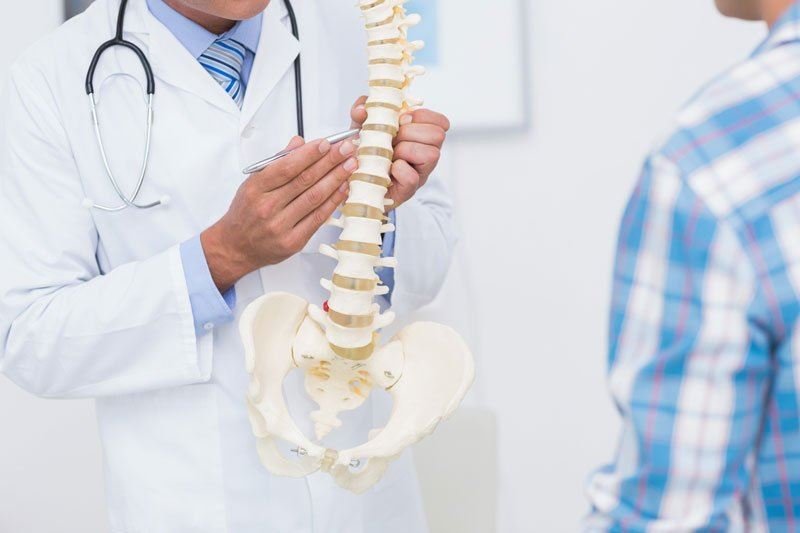
NIBM Road is a rapidly developing residential belt with high-rise apartments, working professionals, and a significant senior population. Sedentary work patterns, long commute durations, and limited physical activity contribute to an increasing incidence of spine-related disorders. Early consultation with a spine specialist on NIBM Road helps prevent chronic disability.
Common Spine Conditions in NIBM Road Residents
The most frequently observed spine problems include:
- Chronic lower back pain
- Cervical spondylosis
- Lumbar spondylosis
- Slip disc (disc herniation)
- Sciatica
- Spinal stenosis
- Degenerative disc disease
- Osteoporotic vertebral fractures (in elderly patients)
Delayed treatment can lead to nerve compression and functional limitations.
Symptoms That Require Medical Evaluation
Consult a spine specialist if you experience:
- Persistent back or neck pain for more than two weeks
- Pain radiating to legs or arms
- Tingling or numbness
- Muscle weakness
- Difficulty standing, walking, or sitting for long periods
- Pain worsening at night
These symptoms may indicate disc pathology or nerve involvement and require structured assessment.
Diagnostic Protocol
A comprehensive evaluation typically includes:
- Detailed medical history
- Physical and neurological examination
- Imaging studies (Digital X-ray, MRI, CT scan)
- Bone density testing when indicated
Accurate diagnosis ensures targeted treatment rather than symptomatic relief alone.
Treatment Options
1. Conservative (Non-Surgical) Management
Most spine conditions are initially treated without surgery. Management may involve:
- Anti-inflammatory medication
- Muscle relaxants
- Supervised physiotherapy
- Core strengthening exercises
- Posture correction
- Activity modification
Adherence to rehabilitation significantly improves outcomes.
2. Minimally Invasive Spine Surgery
If symptoms persist despite conservative therapy or neurological deficits progress, surgery may be recommended. Modern minimally invasive techniques offer:
- Smaller incisions
- Reduced tissue damage
- Shorter hospital stay
- Faster recovery
These procedures are commonly used for disc prolapse, spinal stenosis, and severe nerve compression.
Preventive Spine Care
Given the urban lifestyle in NIBM Road, preventive strategies are critical:
- Maintain ergonomic workstation setup
- Avoid prolonged static posture
- Exercise regularly
- Maintain healthy body weight
- Avoid improper heavy lifting
- Strengthen core muscles
Preventive care reduces recurrence and long-term degeneration.
Emergency Warning Signs
Seek immediate medical attention if you experience:
- Loss of bladder or bowel control
- Progressive weakness in limbs
- Severe back pain following trauma
- Fever associated with spinal pain
These may indicate serious spinal conditions requiring urgent intervention.
Conclusion
Follow us on Social Media