
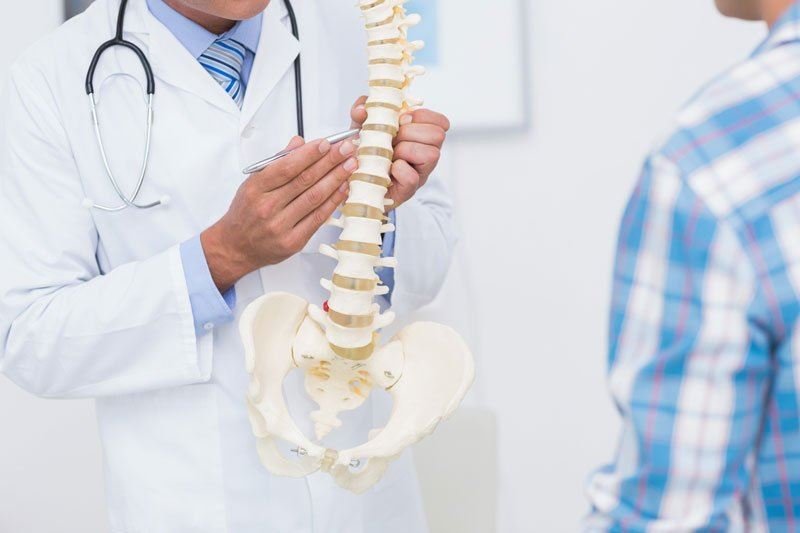
When persistent back or neck pain begins to interfere with mobility, sleep, or productivity, consulting a qualified spine specialist becomes essential. If you are searching for a Spine Specialist in Bavdhan Pune, it is important to understand the type of conditions treated, the diagnostic process involved, and the treatment pathways available. Bavdhan has developed into a well-connected residential locality in Pune, and consequently, access to advanced spine care in and around this region has significantly improved.
This guide explains spine-related conditions, treatment options, and what to expect when consulting a spine specialist in Bavdhan.
Why You May Need a Spine Specialist in Bavdhan
Back pain is one of the most common musculoskeletal complaints among working professionals, elderly individuals, and even young adults. However, not all back pain requires surgery. A spine specialist evaluates whether conservative management, interventional procedures, or surgical correction is appropriate.
You should consider consulting a spine specialist if you experience:
- Persistent lower back or neck pain lasting more than 2–3 weeks
- Radiating pain into arms or legs (sciatica)
- Numbness, tingling, or muscle weakness
- Difficulty walking or standing for long periods
- History of spinal injury or trauma
- Failed response to physiotherapy or medication
Early intervention prevents complications and reduces the risk of chronic disability.
Common Spine Conditions Treated
A spine specialist in Bavdhan typically manages both degenerative and structural disorders affecting the cervical, thoracic, and lumbar spine.
1. Slip Disc (Herniated Disc)
A disc herniation occurs when the inner gel-like material protrudes and compresses nearby nerves. This condition frequently causes leg pain (lumbar disc) or arm pain (cervical disc).
2. Sciatica
Sciatica refers to nerve pain radiating along the sciatic nerve pathway. It commonly results from disc prolapse or spinal stenosis.
3. Spinal Stenosis
This condition involves narrowing of the spinal canal, leading to nerve compression. It is more common in older adults.
4. Spondylosis
Age-related wear and tear of spinal discs and joints can cause stiffness, pain, and nerve irritation.
5. Spondylolisthesis
This occurs when one vertebra slips over another, potentially causing instability and nerve compression.
6. Spine Fractures
Osteoporosis or trauma can lead to vertebral compression fractures requiring specialized management.
Diagnostic Evaluation Process
Accurate diagnosis is fundamental to effective treatment. A spine specialist typically follows a structured evaluation process:
- Clinical History – Detailed symptom analysis, duration, and progression.
- Physical Examination – Neurological testing, range of motion, and reflex evaluation.
- Imaging Studies –
- X-rays for structural alignment
- MRI scans for nerve compression
- CT scans for complex bony details
Advanced imaging helps determine whether conservative treatment is sufficient or surgical intervention is necessary.
Treatment Options Available in Bavdhan
Spine treatment follows a stepwise protocol. Surgery is usually considered only after conservative methods fail.
1. Non-Surgical Treatments
Most patients improve without surgery. These include:
- Structured physiotherapy
- Posture correction programs
- Core strengthening exercises
- Anti-inflammatory medications
- Epidural steroid injections
Lifestyle modification plays a crucial role. Weight management, ergonomic adjustments, and regular exercise significantly reduce recurrence.
2. Minimally Invasive Spine Surgery
If conservative care fails, minimally invasive techniques may be recommended. These procedures involve smaller incisions, reduced blood loss, and faster recovery.
Common procedures include:
- Microdiscectomy
- Endoscopic spine surgery
- Minimally invasive decompression
3. Advanced Spine Surgery
In severe cases involving instability or deformity, procedures such as spinal fusion or instrumentation may be required.
Benefits of Consulting a Local Spine Specialist in Bavdhan
Choosing a specialist near Bavdhan offers logistical and clinical advantages:
- Reduced travel stress during follow-up visits
- Faster emergency access if symptoms worsen
- Easier physiotherapy coordination
- Better continuity of care
Given Bavdhan’s proximity to major hospitals in western Pune, patients can access comprehensive spine care without traveling across the city.
Recovery and Rehabilitation
Recovery depends on the severity of the condition and the chosen treatment method.
- Non-surgical recovery may take 4–8 weeks.
- Minimally invasive surgery typically allows return to routine activities within 2–4 weeks.
- Fusion surgeries require longer rehabilitation, sometimes 3–6 months.
A structured rehabilitation plan ensures long-term success. Patients must adhere to physiotherapy protocols and avoid premature strain on the spine.
Preventing Spine Problems
Preventive strategies significantly reduce recurrence rates. Spine specialists commonly advise:
- Maintaining correct sitting posture
- Avoiding prolonged screen time without breaks
- Strengthening core muscles
- Using ergonomic chairs and workstations
- Practicing safe lifting techniques
Professionals working long hours in sedentary roles are particularly vulnerable. Therefore, proactive spine care is essential.
When Is Spine Surgery Necessary?
Surgery becomes necessary under specific conditions:
- Progressive neurological weakness
- Loss of bladder or bowel control
- Severe pain not responding to treatment
- Spinal instability or deformity
A qualified spine specialist evaluates risk-benefit ratios before recommending operative management.
Frequently Asked Questions (FAQs)
1. How do I know if my back pain requires a spine specialist?
If pain persists beyond two weeks, radiates to limbs, or causes numbness or weakness, specialist consultation is advisable.
2. Is surgery always required for slip disc?
No. Approximately 80–90% of disc herniations improve with non-surgical treatment.
3. How long does minimally invasive spine surgery take?
Most procedures take 1–2 hours, depending on complexity.
4. Is spine surgery risky?
Modern techniques have significantly improved safety. However, like all surgeries, risks exist and must be discussed individually.
5. Can physiotherapy cure sciatica?
In many cases, yes. Targeted exercises and posture correction can relieve nerve compression.
6. How soon can I return to work after treatment?
Non-surgical cases may resume work within weeks. Surgical recovery varies based on procedure type.
7. Does MRI always confirm the need for surgery?
No. MRI findings must correlate with symptoms. Imaging alone does not determine treatment.
8. Are spine problems common in young adults?
Yes. Sedentary lifestyle, poor posture, and heavy screen use contribute significantly.
Final Considerations
Spinal disorders are manageable when addressed promptly. Therefore, consult a qualified spine specialist in Bavdhan Pune for accurate diagnosis, conservative management options, and, if required, advanced surgical solutions tailored to your condition.
Follow us on Social Media