
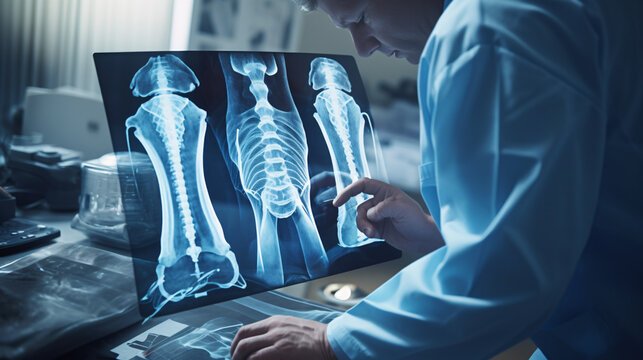
Spine Hospital in NIBM Road, Pune – Comprehensive Spine Care
NIBM Road, a prominent residential and commercial stretch in South-East Pune, connects Kondhwa, Undri, and Wanowrie. Because the locality houses IT professionals, business owners, and a growing senior population, spine-related disorders are increasingly common. Therefore, access to a specialized Spine Hospital in NIBM Road, Pune is essential for timely diagnosis, structured treatment, and long-term spinal stability.
Moreover, sedentary routines combined with commuting stress significantly increase musculoskeletal strain.
Why Spine Problems Are Increasing in NIBM Road
Several contributing factors affect residents:
- Prolonged sitting during office work
- Work-from-home setups without ergonomic support
- Limited physical activity
- Long commuting hours
- Obesity-related spinal stress
- Age-related degenerative changes
As a result, disc degeneration and nerve compression are frequently diagnosed among working professionals and elderly individuals.
Common Spine Conditions Treated
Spine hospitals serving NIBM Road typically manage:
- Chronic lower back pain
- Cervical spondylosis
- Lumbar disc herniation (slip disc)
- Sciatica
- Spinal canal stenosis
- Degenerative disc disease
- Osteoporotic compression fractures
- Postural spine disorders
Each patient undergoes a structured evaluation before finalizing the treatment plan.
Symptoms That Require Immediate Consultation
You should consult a spine specialist if you experience:
- Persistent back or neck pain lasting more than two weeks
- Radiating pain into arms or legs
- Numbness or tingling
- Muscle weakness
- Difficulty walking or standing
- Pain disturbing sleep
Additionally, sudden bladder or bowel dysfunction requires urgent medical care.
Diagnostic Evaluation
A comprehensive spine assessment generally includes:
- Detailed medical and occupational history
- Physical and neurological examination
- Digital X-rays
- MRI for disc and nerve evaluation
- CT scan when detailed bone imaging is necessary
- Bone density testing for elderly patients
MRI remains the most reliable imaging tool for identifying disc prolapse and nerve compression.
Non-Surgical Treatment Options
Most spine conditions respond well to conservative management:
- Anti-inflammatory medications
- Muscle relaxants
- Structured physiotherapy
- Core strengthening exercises
- Posture correction programs
- Ergonomic workplace modifications
Early physiotherapy intervention significantly lowers the likelihood of surgery.
Interventional Pain Management
If conservative therapy does not provide adequate relief, minimally invasive procedures may be recommended:
- Epidural steroid injections
- Facet joint injections
- Selective nerve root blocks
These procedures reduce inflammation and provide focused symptom relief without major surgical intervention.
Minimally Invasive Spine Surgery
Surgical treatment is considered when:
- Conservative therapy fails after adequate duration
- Progressive neurological weakness develops
- Severe nerve compression is confirmed
- Structural spinal instability exists
Modern minimally invasive techniques reduce tissue trauma, shorten hospitalization, and promote faster recovery.
Preventive Spine Care for NIBM Road Residents
Preventive strategies include:
- Maintaining proper sitting posture
- Taking regular movement breaks
- Performing core strengthening exercises
- Avoiding improper lifting techniques
- Maintaining healthy body weight
Consistent preventive measures significantly reduce recurrence risk.
Rehabilitation and Long-Term Recovery
Effective recovery involves:
- Core stabilization exercises
- Flexibility training
- Functional strengthening
- Gradual return to work and daily activities
Regular follow-up ensures sustained spinal health and early identification of recurrence.
Conclusion
Follow us on Social Media