
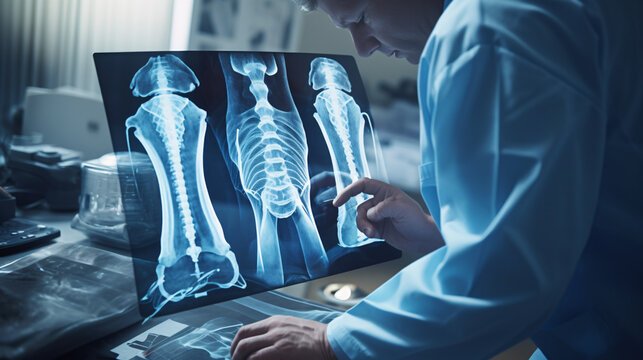
Spine Hospital in Pashan, Pune – Expert Care for Back & Neck Disorders
Pashan, located in the western corridor of Pune, has grown into a bustling residential and educational hub. Consequently, sedentary lifestyles, prolonged screen time, and irregular physical activity have led to an increase in spinal disorders. Therefore, accessing a reliable Spine Hospital in Pashan, Pune is essential for early diagnosis and comprehensive care.
Residents in Pashan, including students, IT professionals, and senior citizens, increasingly report chronic back pain, neck stiffness, and radiating limb discomfort. Timely intervention can prevent progression to degenerative or nerve-related spine conditions.
Why Spine Problems Are Rising in Pashan
Long study hours, desk-based jobs, and inadequate exercise contribute to poor posture and weak core muscles. As a result, cervical and lumbar strain is common.
In addition, commuting stress and prolonged sitting exacerbate spinal discomfort. Furthermore, young adults are experiencing early disc degeneration due to repetitive stress and lack of preventive care. Early evaluation at a spine hospital can detect underlying issues and prevent chronic complications.
Common Spine Conditions Treated
A spine hospital in Pashan typically addresses:
- Chronic lower back pain
- Cervical spondylosis
- Lumbar disc herniation (slip disc)
- Sciatica
- Spinal canal stenosis
- Degenerative disc disease
- Postural syndromes
- Spine fractures
- Osteoporotic vertebral collapse
Because the area accommodates students, professionals, and elderly residents, treatment plans are tailored individually.
Symptoms Requiring Specialist Attention
Seek evaluation if you notice:
- Persistent back or neck pain beyond two weeks
- Pain radiating to arms or legs
- Tingling, numbness, or burning sensations
- Muscle weakness
- Difficulty walking or standing for long periods
- Pain affecting sleep quality
Sudden bladder or bowel dysfunction demands immediate medical attention.
Diagnostic Approach
Accurate diagnosis is essential for effective treatment. Spine hospitals in Pashan typically follow a systematic protocol:
- Detailed medical history
- Physical and neurological examination
- Digital X-rays
- MRI scans for disc and nerve assessment
- CT scans for bony structure evaluation
- Bone density testing for older adults
MRI is especially critical for identifying nerve compression and soft tissue damage.
Non-Surgical Treatment Options
Conservative care often provides significant relief. Typical treatments include:
- Anti-inflammatory medications
- Muscle relaxants
- Supervised physiotherapy
- Core and flexibility exercises
- Posture correction programs
- Ergonomic adjustments at home and work
Structured rehabilitation helps prevent recurrence and strengthens spinal support.
Interventional Pain Management
When conservative methods fail, minimally invasive interventions may be recommended:
- Epidural steroid injections
- Facet joint injections
- Selective nerve root blocks
These procedures target inflammation at the source, providing effective pain relief without major surgery.
Minimally Invasive Spine Surgery
Surgical intervention is advised when:
- Symptoms persist despite conservative therapy
- Progressive neurological deficits develop
- Severe disc herniation compresses nerves
- Spinal instability is diagnosed
Minimally invasive procedures involve smaller incisions, less tissue damage, shorter hospitalization, and faster recovery compared to traditional surgery.
Preventive Spine Care for Pashan Residents
Lifestyle modifications play a crucial role in spinal health. Recommendations include:
- Maintaining neutral posture while sitting or standing
- Taking stretching breaks every 30–45 minutes
- Strengthening core muscles regularly
- Using proper lifting techniques
- Maintaining a healthy body weight
Additionally, regular physical activity reduces the risk of spinal degeneration.
Spine Care for Students and Professionals
Students and office workers in Pashan are prone to posture-related spine issues. Therefore:
- Adjust study or workstation ergonomics
- Avoid prolonged forward neck posture
- Include short stretching sessions during study or work hours
- Monitor back health regularly
Early intervention prevents chronic pain and improves performance.
Geriatric Spine Health
Older adults often face age-related spinal degeneration. Recommendations include:
- Regular bone density checks
- Adequate calcium and vitamin D intake
- Fall-prevention strategies
Timely intervention preserves mobility and reduces the risk of fractures.
Rehabilitation and Long-Term Recovery
Recovery extends beyond initial treatment. Structured rehabilitation focuses on core strength, flexibility, and posture correction. Regular follow-ups monitor progress and prevent recurrence, ensuring long-term spinal health.
Frequently Asked Questions (FAQs)
1. When should I visit a spine hospital in Pashan?
Persistent pain beyond two weeks or radiating pain to limbs warrants specialist evaluation.
2. Can slip disc heal without surgery?
Yes. Many cases improve with physiotherapy and medications. Surgery is considered only if conservative treatment fails.
3. How long is recovery after minimally invasive spine surgery?
Recovery depends on the procedure, but most patients resume light activities within a few weeks.
4. Are students at risk of spine disorders?
Yes. Prolonged study hours and poor posture increase the risk of cervical and lumbar strain.
5. Can preventive exercises reduce chronic spine problems?
Yes. Core strengthening and stretching significantly reduce recurrence rates.
Conclusion
Follow us on Social Media