
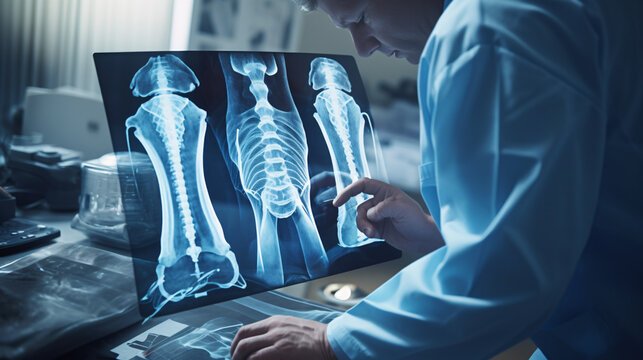
Spine Hospital in Kiwale, Pune – Dedicated Spine Care
Kiwale, a rapidly developing residential pocket on the outskirts of Pune, is located close to Ravet and the Mumbai–Pune Expressway corridor. Because the locality has seen a surge in housing projects and working professionals, spine-related complaints are steadily increasing. Therefore, access to a specialized Spine Hospital in Kiwale, Pune is important for early diagnosis, evidence-based treatment, and long-term spinal stability.
With growing urbanization, lifestyle-related spine disorders are becoming more common across all age groups.
Why Spine Disorders Are Rising in Kiwale
Several contributing factors affect residents:
- Long commuting hours
- Prolonged desk-based work
- Poor ergonomic setups
- Limited physical activity
- Weak core muscle strength
- Obesity-related spinal stress
If these issues persist, they may lead to disc degeneration, nerve compression, and chronic lower back pain.
Common Spine Conditions Treated
Spine hospitals serving Kiwale typically manage:
- Chronic lower back pain
- Cervical spondylosis
- Lumbar disc herniation (slip disc)
- Sciatica
- Spinal canal stenosis
- Degenerative disc disease
- Postural spine disorders
- Spine trauma
- Osteoporotic compression fractures
Treatment plans are individualized based on imaging findings and clinical severity.
Warning Signs That Need Specialist Evaluation
Consult a spine specialist if you experience:
- Back or neck pain lasting more than two weeks
- Radiating pain into legs or arms
- Numbness or tingling
- Muscle weakness
- Difficulty standing or walking
- Sleep disturbance due to pain
Loss of bladder or bowel control requires urgent emergency care.
Diagnostic Approach
Spine hospitals follow a structured assessment protocol:
- Detailed medical history
- Physical and neurological examination
- Digital X-rays
- MRI for disc and nerve assessment
- CT scan for bone evaluation
- Bone density testing in elderly patients
MRI remains the most accurate tool for identifying nerve compression and disc pathology.
Non-Surgical Treatment Options
Most spine problems improve with conservative management:
- Anti-inflammatory medications
- Muscle relaxants
- Supervised physiotherapy
- Core strengthening programs
- Posture correction training
- Ergonomic guidance
Early intervention significantly reduces the need for surgery.
Interventional Pain Procedures
If conservative treatment fails, minimally invasive injections may be recommended:
- Epidural steroid injections
- Facet joint injections
- Selective nerve root blocks
These procedures provide targeted relief while minimizing downtime.
Minimally Invasive Spine Surgery
Surgical treatment is considered when:
- Conservative therapy fails after adequate duration
- Progressive neurological weakness develops
- Severe nerve compression is confirmed
- Structural spinal instability exists
Modern minimally invasive techniques reduce tissue trauma, shorten hospital stay, and promote faster recovery.
Preventive Spine Care for Kiwale Residents
Preventive strategies include:
- Maintaining neutral spine posture
- Taking breaks during prolonged sitting
- Performing regular core strengthening exercises
- Avoiding improper lifting techniques
- Maintaining optimal body weight
Consistent preventive measures reduce recurrence risk.
Rehabilitation and Long-Term Recovery
Rehabilitation focuses on:
- Core stabilization
- Flexibility improvement
- Functional strengthening
- Gradual return to work and daily activities
Ongoing follow-up ensures sustained improvement and early detection of recurrence.
Conclusion
Follow us on Social Media