
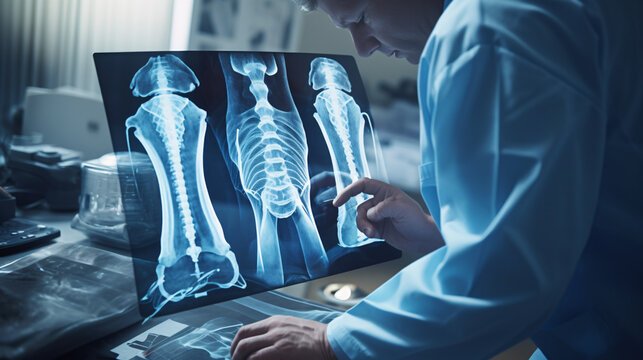
Spine Hospital in Katraj, Pune – Comprehensive Spine Care
Katraj, located in the southern corridor of Pune, is a rapidly expanding residential and commercial zone. Because Katraj connects to major routes such as the Mumbai–Bangalore Highway and the Katraj-Dehu Road Bypass, daily commuting stress and prolonged travel are common among residents. Consequently, spine-related complaints are increasingly reported in this area. Therefore, access to a specialized Spine Hospital in Katraj, Pune is essential for timely diagnosis, structured management, and long-term spinal health.
As urban expansion continues, sedentary work patterns and physically demanding occupations both contribute to spinal strain.
Why Spine Disorders Are Common in Katraj
Several risk factors affect residents:
- Long commuting hours
- Physically demanding jobs
- Improper lifting techniques
- Poor sitting posture
- Sedentary work-from-home setups
- Age-related disc degeneration
Over time, these factors increase pressure on intervertebral discs and facet joints, which may lead to chronic pain and nerve compression.
Common Spine Conditions Treated
Spine hospitals serving Katraj typically manage:
- Chronic lower back pain
- Cervical spondylosis
- Lumbar disc herniation (slip disc)
- Sciatica
- Spinal canal stenosis
- Degenerative disc disease
- Spine trauma and fractures
- Osteoporotic compression fractures
Each patient undergoes individualized assessment to ensure precise diagnosis and appropriate treatment planning.
Warning Signs That Require Specialist Evaluation
Consult a spine specialist if you experience:
- Persistent neck or back pain lasting more than two weeks
- Radiating pain into arms or legs
- Numbness or tingling sensations
- Muscle weakness
- Difficulty walking or prolonged standing
- Pain disturbing sleep
Additionally, sudden bladder or bowel dysfunction requires immediate emergency medical care.
Diagnostic Evaluation
A structured spine assessment typically includes:
- Detailed medical and occupational history
- Physical and neurological examination
- Digital X-rays
- MRI for disc and nerve evaluation
- CT scan for detailed bone assessment
- Bone density testing in elderly patients
MRI remains the gold standard for detecting disc prolapse and nerve compression.
Non-Surgical Treatment Options
Most spine conditions improve with conservative management:
- Anti-inflammatory medications
- Muscle relaxants
- Structured physiotherapy
- Core strengthening exercises
- Posture correction programs
- Ergonomic workplace modifications
Early intervention significantly reduces the likelihood of surgery.
Interventional Pain Management
If conservative treatment fails to provide adequate relief, minimally invasive procedures may be recommended:
- Epidural steroid injections
- Facet joint injections
- Selective nerve root blocks
These procedures reduce inflammation and provide targeted pain relief without major surgery.
Minimally Invasive Spine Surgery
Surgical treatment is considered when:
- Conservative therapy fails after adequate duration
- Progressive neurological weakness develops
- Severe nerve compression is confirmed
- Structural spinal instability exists
Modern minimally invasive spine surgery reduces muscle trauma, shortens hospital stay, and accelerates recovery.
Preventive Spine Care for Katraj Residents
Preventive measures include:
- Maintaining correct posture
- Taking regular movement breaks
- Performing structured core strengthening exercises
- Avoiding improper lifting techniques
- Maintaining healthy body weight
Consistent preventive care lowers recurrence risk and long-term complications.
Rehabilitation and Long-Term Recovery
Effective recovery involves:
- Core stabilization
- Flexibility training
- Functional strengthening
- Gradual return to work and daily activities
Regular follow-up ensures sustained spinal health and early detection of recurrence.
Conclusion
Follow us on Social Media