
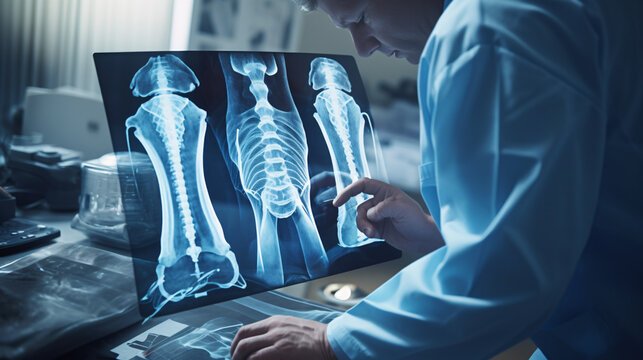
Spine Hospital in Karve Nagar, Pune – Specialized Spine Care
Karve Nagar, a well-established residential locality in Pune, is home to families, working professionals, and senior citizens. Since the area connects easily to Kothrud, Warje, and Sinhagad Road, residents often seek advanced healthcare services nearby. Therefore, access to a specialized Spine Hospital in Karve Nagar, Pune becomes essential for managing back pain, neck disorders, and complex spine conditions.
Due to sedentary work patterns, long commutes, and limited physical activity, spine-related complaints are steadily increasing across all age groups. Early evaluation prevents minor issues from progressing into chronic disorders.
Why Spine Problems Are Common in Karve Nagar
Several lifestyle and occupational factors contribute to spine disorders:
- Prolonged sitting during office work
- Poor workstation ergonomics
- Lack of regular exercise
- Obesity and weak core muscles
- Age-related degeneration
- Improper lifting techniques
When these factors combine, they increase pressure on intervertebral discs and facet joints, eventually leading to persistent pain.
Common Spine Conditions Treated
Spine hospitals serving Karve Nagar typically manage:
- Chronic lower back pain
- Cervical spondylosis
- Lumbar disc herniation (slip disc)
- Sciatica
- Spinal canal stenosis
- Degenerative disc disease
- Scoliosis and deformities
- Spine fractures
- Osteoporotic compression fractures
Each condition requires an individualized treatment plan based on imaging findings and symptom severity.
Symptoms That Need Immediate Attention
Consult a spine specialist if you experience:
- Back or neck pain lasting more than two weeks
- Pain radiating to arms or legs
- Numbness or tingling sensations
- Muscle weakness
- Difficulty walking or prolonged standing
- Night pain disturbing sleep
Additionally, sudden bladder or bowel dysfunction requires emergency medical care.
Diagnostic Evaluation
Spine hospitals near Karve Nagar follow a structured assessment approach:
- Detailed medical history
- Physical and neurological examination
- Digital X-rays
- MRI for disc and nerve evaluation
- CT scan for bone assessment
- Bone density testing for elderly patients
MRI remains the most important imaging tool for identifying nerve compression and disc pathology.
Non-Surgical Treatment Options
Most spine problems respond effectively to conservative management. Treatment options include:
- Anti-inflammatory medications
- Muscle relaxants
- Structured physiotherapy
- Core strengthening programs
- Posture correction
- Ergonomic guidance
Early physiotherapy improves mobility and reduces recurrence risk. Therefore, surgery is often avoidable when intervention occurs promptly.
Interventional Pain Procedures
If conservative treatment fails, minimally invasive pain procedures may be recommended:
- Epidural steroid injections
- Facet joint injections
- Selective nerve root blocks
These injections reduce inflammation and provide targeted pain relief without major surgery.
Minimally Invasive Spine Surgery
Surgical intervention is considered when:
- Pain persists despite adequate conservative therapy
- Progressive neurological weakness develops
- Severe nerve compression is confirmed
- Spinal instability exists
Modern minimally invasive techniques involve smaller incisions, reduced blood loss, shorter hospital stays, and faster rehabilitation.
Preventive Spine Care for Karve Nagar Residents
Preventive strategies significantly reduce long-term complications:
- Maintain proper sitting posture
- Take movement breaks every 30–45 minutes
- Perform regular core strengthening exercises
- Avoid heavy lifting without support
- Maintain healthy body weight
Consistency in lifestyle modification plays a critical role in preventing recurrence.
Spine Care for Senior Citizens
Karve Nagar has a considerable elderly population. Since aging increases the risk of osteoporosis and degenerative spine disorders, regular screening becomes important. Bone density testing, fall prevention strategies, and early evaluation of persistent pain reduce fracture risk and mobility loss.
Rehabilitation and Long-Term Management
Recovery extends beyond symptom relief. Structured rehabilitation programs focus on strengthening, flexibility, and functional restoration. Additionally, periodic follow-ups ensure sustained improvement and early detection of recurrence.
Frequently Asked Questions
1. Do all slip disc cases require surgery?
No. Most cases improve with physiotherapy and medication. Surgery is reserved for severe or persistent cases.
2. How long does physiotherapy take to show results?
Improvement is typically observed within 3–6 weeks, depending on adherence and severity.
3. Is spine surgery safe?
When performed by experienced specialists with proper indication, outcomes are generally favorable.
4. Can young professionals develop serious spine issues?
Yes. Prolonged sitting and poor posture significantly increase risk.
5. Can back pain recur after treatment?
Yes, especially if preventive measures are ignored.
Conclusion
Follow us on Social Media