
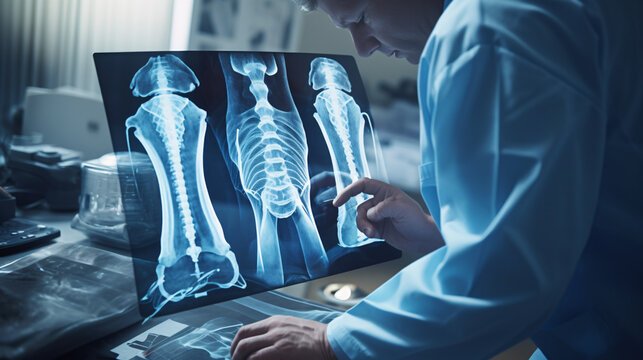
Spine Hospital in Bund Garden
If persistent back or neck pain is affecting your daily life, visiting a Spine Hospital in Bund Garden, Pune can be a decisive step toward recovery. Despite Bund Garden’s reputation as a well-maintained residential and commercial area, spine problems remain common due to prolonged sitting, sedentary office work, frequent commuting, and age-related spinal degeneration.
Why Spine Issues Are Increasing in Bund Garden
First, many residents in Bund Garden work in desk-based jobs involving long hours seated with poor posture. Moreover, others spend significant time standing or walking during daily routines without sufficient ergonomic support. Second, lifestyle habits such as reduced physical activity and obesity contribute to degenerative spine changes. As a result, conditions like disc herniation and sciatica are increasingly prevalent.
When left untreated, early symptoms often progress to chronic pain. Therefore, early consultation at a specialized spine hospital ensures timely diagnosis, targeted treatment, and better long-term outcomes.
Common Spine Conditions Seen in Bund Garden
A quality spine hospital is equipped to manage a wide spectrum of spinal disorders, including:
- Chronic low back pain – Frequently linked to sedentary lifestyles, poor posture, and ergonomic strain.
- Cervical spondylosis – Degenerative changes in neck structures resulting in stiffness and pain.
- Lumbar spondylosis – Degeneration in the lower back associated with aging or wear-and-tear.
- Slip disc (herniated disc) – Disc protrusion pressing on nerve roots, causing radiating pain.
- Sciatica – Sharp, burning pain traveling from the lower back down the leg.
- Spinal stenosis – Narrowing of the spinal canal leading to weakness or numbness.
- Degenerative disc disease – Progressive thinning of discs causing chronic discomfort.
- Osteoporotic vertebral fractures – Fragility fractures common in older adults.
Because residents here represent diverse age groups and occupations, the presentation of spine conditions varies widely.
Symptoms Indicating a Need for Specialist Care
You should schedule an evaluation at a spine hospital if you notice:
- Persistent back or neck pain lasting more than two weeks
- Radiating pain into arms or legs
- Tingling, numbness, or burning sensations
- Progressive weakness in the limbs
- Difficulty standing, walking, or performing daily tasks
- Pain that intensifies at night
- Restricted spinal motion
Furthermore, if neurological signs such as loss of bladder or bowel control occur, immediate emergency evaluation is critical.
Comprehensive Diagnostic Approach
Accurate diagnosis is essential for effective spinal treatment. At a spine hospital, the evaluation typically includes:
- Detailed clinical history and symptom review
- Orthopedic and neurological examination
- Imaging studies such as Digital X-ray, MRI, or CT scan
- Bone density testing for elderly patients or those at risk of osteoporosis
In particular, MRI offers detailed visualization of spinal discs, nerves, and soft tissues, enabling precise treatment planning.
Treatment Pathways Available
Conservative (Non-Surgical) Management
In many cases, non-surgical care provides relief. This approach may include:
- Pain-relief and anti-inflammatory medications
- Muscle relaxants
- Structured physiotherapy programs
- Core strengthening and flexibility exercises
- Posture correction training
- Ergonomic and lifestyle modifications
Adherence to rehabilitation protocols improves outcomes and reduces the risk of recurrence.
Interventional Pain Care
When pain persists despite conservative treatment, targeted procedures may be recommended:
- Epidural steroid injections
- Facet joint injections
- Selective nerve root blocks
These minimally invasive options reduce inflammation and offer effective pain control when conservative measures are insufficient.
Minimally Invasive Spine Surgery
Surgical treatment is considered when symptoms persist or neurological deficits worsen. Compared to traditional open surgery, minimally invasive techniques provide:
- Smaller incisions
- Less muscle and tissue disruption
- Lower blood loss
- Shorter hospital stay
- Faster recovery
Indications for surgery often include severe disc herniation, spinal stenosis, or instability that does not respond to conservative care.
Preventive Spine Care for Bund Garden Residents
Even if no severe symptoms are present, preventive measures improve spine health over the long term, including:
- Maintaining proper posture while sitting and standing
- Using ergonomic chairs and lumbar support
- Breaking up long sitting periods with stretching
- Strengthening core muscles with regular exercise
- Maintaining healthy body weight
- Avoiding improper lifting techniques
Because lifestyle habits significantly impact spinal well-being, preventive care can reduce the likelihood of chronic problems.
Spine Health in Older Adults
Elderly individuals in Bund Garden carry a higher risk of degenerative spine conditions and osteoporosis. Therefore:
- Routine bone density testing is recommended
- Adequate calcium and vitamin D intake should be ensured
- Balance and fall-prevention exercises are beneficial
- Persistent back or neck pain should always be evaluated
Early intervention prevents fractures and lengthy disability.
Red Flag Symptoms That Need Urgent Attention
Seek immediate medical care if you experience:
- New onset loss of bladder or bowel control
- Rapidly progressing limb weakness
- Severe back pain after trauma or fall
- Fever or signs of infection accompanying pain
- Sudden inability to move a limb or walk
These symptoms may indicate serious spinal pathology requiring emergency treatment.
Rehabilitation and Long-Term Care
Successful recovery extends beyond initial treatment. Thus, spine hospitals emphasize rehabilitation, including:
- Personalized physiotherapy
- Gradual and safe return to daily activities
- Core and flexibility strengthening
- Posture retraining and ergonomic counseling
- Regular follow-up assessments
This comprehensive approach improves functional outcomes and reduces recurrence risk.
Frequently Asked Questions (FAQs)
1. When should I visit a spine hospital in Bund Garden?
If pain lasts beyond two weeks, radiates to limbs, or includes numbness or weakness, specialist evaluation is recommended.
2. Are desk jobs a common cause of spine problems?
Yes. Prolonged sitting with poor ergonomics contributes significantly to lower back and neck pain.
3. Is surgery always required for a herniated disc?
No. Most disc herniations improve with conservative care. Surgery is considered when conservative treatment fails or neurological signs worsen.
4. How long is recovery after minimally invasive spine surgery?
Many patients return to light activity within several weeks, depending on individual factors.
5. Can lifestyle modification prevent spinal problems?
Yes. Proper posture, regular exercise, ergonomic adjustments, and activity breaks significantly reduce risk.
Conclusion
Follow us on Social Media