
Slip Disc Specialist In Pune – Dr. Alok Gadkari
A slip disc can begin as ordinary back discomfort; however, as pressure on spinal nerves increases, pain often intensifies and spreads to the limbs. Therefore, consulting a qualified Slip Disc Specialist in Pune becomes critical when symptoms persist or worsen. Moreover, a slipped disc—also known as a herniated or prolapsed disc occurs when the inner gel-like nucleus pushes through the outer disc layer. Consequently, nearby nerves become irritated or compressed, which leads to pain, numbness, or weakness.
Dr. Alok Gadkari focuses exclusively on spine disorders; therefore, he evaluates each slip disc case through a structured and evidence-based approach. Instead of providing temporary pain relief alone, he identifies the exact spinal level involved, assesses nerve compression severity, and analyzes functional limitations. Additionally, he correlates clinical examination findings with imaging results before forming a treatment plan. As a result, patients receive precise and condition-specific care.
Furthermore, early specialist intervention prevents long-term nerve damage and chronic disability. Hence, timely consultation not only relieves pain but also protects spinal stability. Most importantly, Dr. Gadkari prioritizes restoring mobility, reducing inflammation, and preventing recurrence.
If you experience persistent back pain that radiates to the leg or arm, seeking expert spine evaluation ensures safe and comprehensive management.
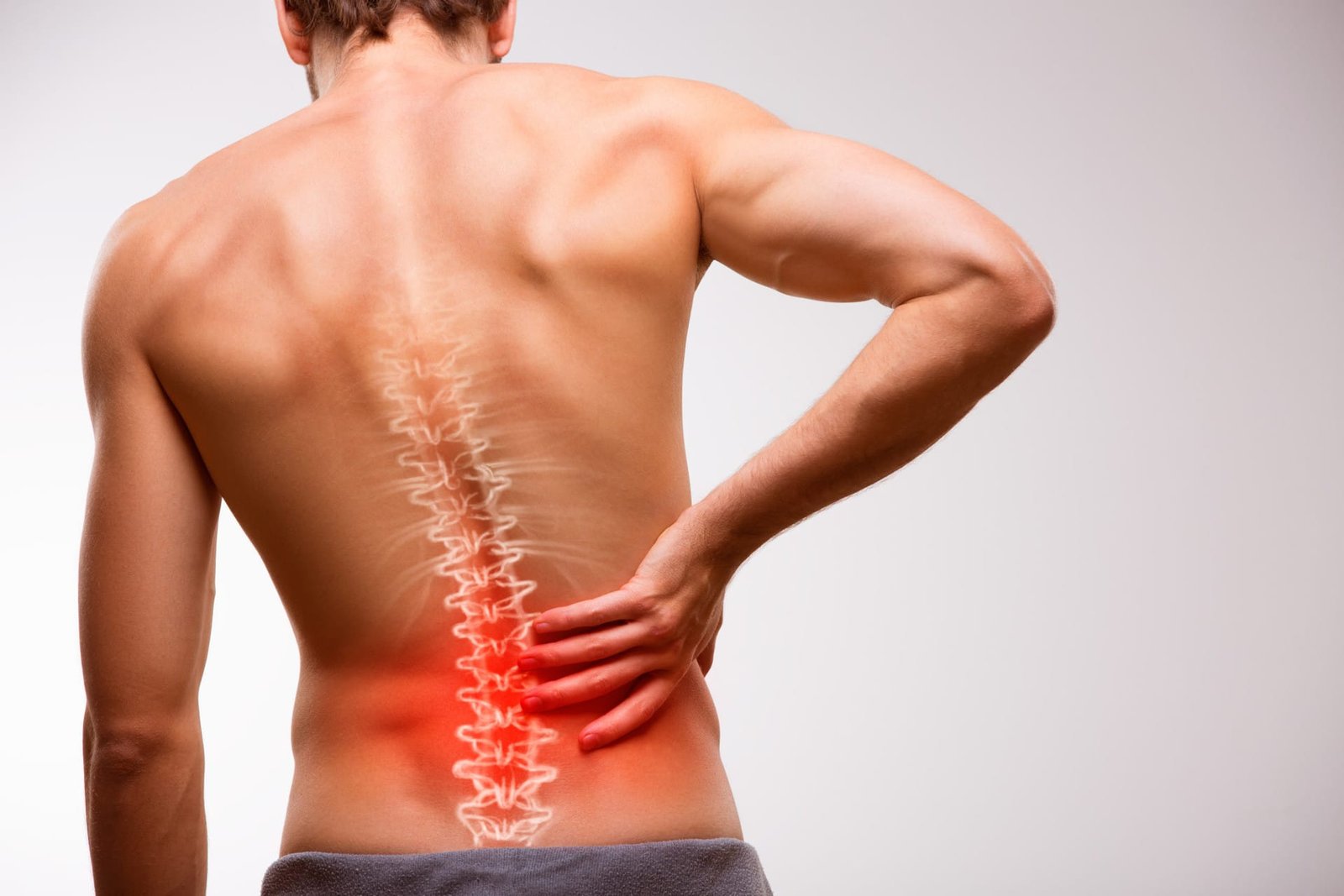
Understanding Slip Disc: Causes and Risk Factors
A slip disc rarely develops overnight; rather, gradual disc degeneration weakens the spinal structure over time. Therefore, age-related wear and tear remains one of the primary causes. As spinal discs lose hydration and elasticity, they become vulnerable to cracks and protrusion. Consequently, minor strain can trigger herniation.
Additionally, improper lifting techniques and repetitive bending increase spinal pressure significantly. Workers involved in manual labor often face higher risk; similarly, prolonged sitting with poor posture accelerates disc stress. Moreover, obesity increases mechanical load on the spine, which further weakens disc integrity.
Lack of core muscle strength also reduces spinal support. Therefore, weak abdominal and back muscles contribute to instability. In some cases, trauma such as sudden twisting injuries or accidents may directly rupture the disc. Furthermore, genetic predisposition may influence disc degeneration patterns.
Because multiple risk factors interact, accurate clinical evaluation becomes essential. Therefore, Dr. Alok Gadkari assesses occupational habits, physical activity levels, and spinal biomechanics before recommending treatment. This comprehensive assessment ensures individualized care and better long-term outcomes.
Recognizing Symptoms of a Slipped Disc
Slip disc symptoms vary depending on the location and severity of nerve involvement; therefore, early recognition prevents complications. Most commonly, patients experience localized back or neck pain that worsens during movement or prolonged sitting.
If the herniated disc compresses a nerve root, radiating pain develops. For example, lumbar slip discs often cause sciatica, which produces sharp pain traveling down the leg. Similarly, cervical disc herniation may cause arm pain, tingling, or numbness. Consequently, daily activities become difficult.
Additionally, persistent nerve compression may result in muscle weakness. Patients might struggle to lift objects or walk comfortably. In severe cases, bowel or bladder disturbances require urgent medical evaluation.
Because symptoms can mimic other spine conditions, professional assessment remains critical. Therefore, Dr. Gadkari conducts a detailed physical examination and neurological evaluation before confirming diagnosis. Early detection allows structured management and prevents progressive nerve damage.
Comprehensive Diagnostic Approach
Accurate diagnosis forms the foundation of effective treatment; therefore, Dr. Gadkari follows a systematic evaluation process. Initially, he assesses posture, spinal curvature, and range of motion. Subsequently, he performs neurological tests to evaluate reflexes, sensory response, and muscle strength.
If clinical findings suggest disc pathology, he recommends advanced imaging such as MRI scans. Consequently, he identifies the exact disc level, degree of herniation, and nerve compression severity. Additionally, imaging helps differentiate slip disc from spinal stenosis or other structural issues.
Importantly, he avoids unnecessary investigations. Instead, he orders diagnostic tests only when clinical indicators justify them. This approach improves accuracy while minimizing patient burden.
After completing evaluation, he explains the findings clearly and outlines treatment options. Therefore, patients understand their condition and participate actively in decision-making. Clear communication strengthens treatment compliance and improves recovery outcomes significantly.
Non-Surgical Treatment for Slip Disc
Most slip disc cases respond well to conservative management; therefore, surgery remains unnecessary for many patients. Dr. Gadkari designs individualized treatment plans based on symptom severity and neurological status.
Initially, he prescribes anti-inflammatory medication to control pain and reduce nerve irritation. Additionally, he recommends structured physiotherapy focusing on core strengthening, flexibility improvement, and posture correction. Consequently, spinal stability improves while nerve pressure decreases.
Moreover, activity modification prevents further disc strain. Therefore, patients receive guidance on proper lifting techniques and ergonomic adjustments. If pain persists despite therapy, image-guided epidural injections may reduce inflammation effectively.
Because early non-surgical treatment often prevents progression, timely intervention significantly enhances recovery prospects. Structured rehabilitation and close monitoring ensure gradual improvement without unnecessary surgical exposure.
When Surgery Becomes Necessary
Although conservative care proves effective in most cases, certain situations require surgical intervention. Therefore, Dr. Gadkari recommends surgery only when persistent pain, progressive weakness, or neurological deficits continue despite adequate non-surgical treatment.
If severe disc herniation compresses spinal nerves significantly, decompression surgery becomes necessary to relieve pressure. Similarly, worsening muscle weakness or loss of bladder control demands urgent surgical correction.
Dr. Gadkari prioritizes minimally invasive spine surgery whenever appropriate. Consequently, patients experience smaller incisions, reduced blood loss, and shorter hospital stays. Additionally, muscle preservation improves postoperative recovery speed.
Before proceeding, he discusses surgical goals, expected recovery timelines, and potential risks thoroughly. Therefore, patients make informed decisions confidently and understand realistic outcomes.
Rehabilitation and Recovery After Treatment
Recovery extends beyond pain relief; therefore, structured rehabilitation ensures long-term stability. Dr. Gadkari integrates physiotherapy and strengthening programs into both non-surgical and post-surgical care plans.
Gradual core muscle conditioning supports spinal alignment. Additionally, guided flexibility exercises restore functional mobility and reduce stiffness. Consequently, patients regain confidence in movement.
Regular follow-up consultations allow progress monitoring. If adjustments become necessary, treatment modifications occur promptly. Moreover, consistent patient participation enhances healing efficiency.
Through disciplined rehabilitation, most patients return to daily activities safely and comfortably. Structured recovery planning minimizes recurrence and promotes sustainable spinal health.
Preventing Recurrence and Maintaining Spine Health
While treatment addresses active symptoms, preventive strategies protect long-term well-being. Therefore, maintaining proper posture remains essential. Additionally, strengthening core muscles improves spinal support and reduces disc strain.
Regular physical activity enhances circulation and flexibility. Moreover, avoiding sudden twisting movements and heavy lifting without support decreases injury risk.
Weight management also reduces mechanical stress on the spine. Consequently, balanced nutrition and regular exercise contribute to disc health.Periodic spine evaluations help detect early signs of recurrence. Therefore, consistent preventive care significantly lowers future complications and supports overall spinal resilience.
Why Choose Dr. Alok Gadkari as Your Slip Disc Specialist in Pune?
Expertise, precision, and patient-focused care define effective spine treatment. Therefore, selecting a dedicated spine specialist ensures comprehensive management rather than symptomatic relief alone.
Dr. Alok Gadkari combines advanced diagnostic expertise with evidence-based treatment strategies. Additionally, he emphasizes clear communication and individualized care planning. Consequently, patients receive safe, structured, and measurable outcomes.
Moreover, his experience in minimally invasive spine procedures enhances recovery efficiency and patient comfort. Therefore, individuals regain mobility with reduced downtime. If slip disc symptoms disrupt your routine or restrict mobility, timely consultation with Dr. Gadkari ensures professional, ethical, and outcome-oriented spine care in Pune.
Book an Appointment – Slip Disc Specialist In Pune
If you experience persistent back pain, leg pain, numbness, or weakness, then do not delay evaluation. Early diagnosis not only prevents nerve damage but also improves recovery outcomes. Therefore, consulting a qualified slip disc specialist at the right time makes a measurable difference.
Dr. Alok Gadkari provides structured clinical assessment, detailed imaging review, and evidence-based treatment planning. First, he evaluates symptom history and neurological findings. Next, he correlates them with MRI results to confirm the diagnosis. Then, he explains all available options clearly, including conservative care and minimally invasive surgical solutions if required. Schedule a consultation with Dr. Alok Gadkari, the best Slip Disc Specialist In Pune, and take the first step towards a pain-free life.
📞Call now or book online for a detailed consultation.
FAQs – Slip Disc Specialist In Pune
1. What is a slip disc?
A slip disc occurs when the soft inner part of a spinal disc pushes outward and irritates nearby nerves. As a result, it may cause back pain, leg pain, numbness, or weakness.
2. What are common symptoms of a slipped disc?
Typical symptoms include lower back pain, pain radiating to the leg (sciatica), tingling, and muscle weakness. In cervical cases, patients may feel pain in the neck, shoulder, or arm.
3. Can a slip disc heal without surgery?
Yes, in many cases, symptoms improve with medication, rest, physiotherapy, and lifestyle changes. Therefore, doctors usually recommend conservative treatment first.
4. When is surgery required for a slipped disc?
Surgery is considered if pain remains severe despite treatment, if weakness worsens, or if bladder or bowel control is affected. In such cases, timely intervention prevents complications.
5. How long does recovery take?
Most patients improve within a few weeks with proper care. However, recovery time depends on severity and treatment type.
6. Can a slipped disc happen again?
Yes, recurrence is possible. However, regular exercise, correct posture, and spinal care significantly reduce the risk.