
Minimally Invasive Spine Surgery In Pune – Dr. Alok Gadkari
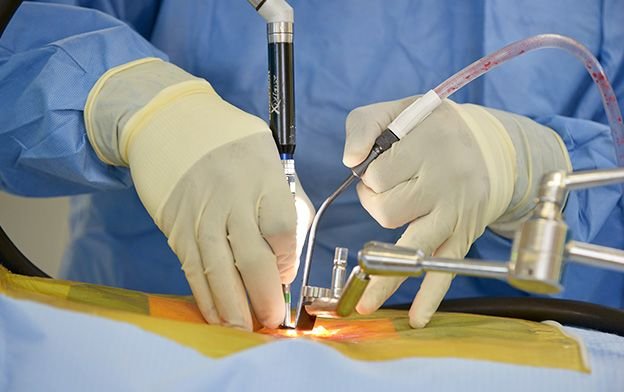
Minimally Invasive Spine Surgery (MISS) focuses on treating spinal conditions through smaller incisions, reduced muscle disruption, and precision-guided techniques. Unlike traditional open spine surgery, this advanced approach protects surrounding tissues while directly addressing the root cause of pain. Therefore, patients experience faster recovery and less postoperative discomfort.
Dr. Alok Gadkari performs minimally invasive spine surgery in Pune using structured surgical planning and modern technology. First, he evaluates imaging reports such as MRI or CT scans. Then, he identifies the exact level of nerve compression or disc damage. After that, he designs a procedure that targets only the affected area without unnecessary tissue exposure.
Moreover, minimally invasive procedures reduce blood loss and hospital stay duration. As a result, most patients mobilize earlier and resume daily activities sooner. Additionally, smaller incisions reduce scarring and infection risk.
If you suffer from chronic back pain, sciatica, slipped disc, or spinal stenosis, then minimally invasive techniques may offer a safer and more efficient solution. Early evaluation improves surgical outcomes and prevents long-term nerve damage.
Conditions Treated with Minimally Invasive Spine Surgery
Dr. Alok Gadkari treats a wide range of spinal disorders through minimally invasive techniques. First, he manages slipped discs that compress spinal nerves and cause radiating leg pain. Additionally, he treats spinal stenosis, which narrows the spinal canal and restricts nerve function.
Furthermore, he addresses degenerative disc disease, where age-related wear causes chronic lower back pain. In addition, he treats spondylolisthesis, a condition where one vertebra slips over another. Moreover, he corrects selected spinal deformities and instability cases through precise surgical stabilization.
He also performs minimally invasive decompression procedures for nerve compression in both cervical and lumbar regions. As a result, patients experience relief from numbness, weakness, and shooting pain.
Importantly, not every spinal condition requires open surgery. Therefore, Dr. Gadkari carefully evaluates whether a minimally invasive approach will provide optimal results. If conservative treatment fails and symptoms persist, then MISS often offers a highly effective next step.
Advantages of Minimally Invasive Spine Surgery
Minimally invasive spine surgery offers multiple clinical advantages. First, smaller incisions reduce muscle damage. Consequently, patients experience less postoperative pain. Moreover, limited tissue disruption accelerates healing.
Additionally, reduced blood loss lowers surgical risk. As a result, hospital stays become shorter. Many patients return home within one to three days, depending on the procedure.
Furthermore, faster recovery enables earlier physiotherapy and rehabilitation. Therefore, patients regain mobility sooner. In contrast, traditional surgery often requires prolonged recovery. Another major benefit includes lower infection rates due to limited exposure. Moreover, cosmetic outcomes improve because scars remain minimal.
Importantly, Dr. Alok Gadkari prioritizes surgical precision. He uses specialized instruments and imaging guidance to ensure accurate placement of implants or decompression of nerves. As a result, patients benefit from durable, long-term outcomes. When performed by an experienced spine specialist, minimally invasive surgery combines safety, precision, and faster recovery into one structured treatment plan.
Types of Minimally Invasive Spine Procedures
Dr. Alok Gadkari performs several minimally invasive spine procedures in Pune. First, he offers microdiscectomy, which removes the portion of a herniated disc pressing on a nerve. This procedure effectively treats sciatica and severe leg pain.
Additionally, he performs minimally invasive spinal decompression for stenosis. During this procedure, he removes bone or ligament tissue that compresses nerves. Consequently, patients experience improved nerve function.
Furthermore, he conducts minimally invasive spinal fusion for instability cases. Through small incisions, he stabilizes vertebrae using precision-guided implants. As a result, spinal alignment improves while minimizing muscle trauma.
In selected cases, he also performs cervical disc replacement or minimally invasive lumbar fusion. Therefore, patients receive condition-specific treatment rather than generalized surgical solutions. Each procedure follows detailed planning, intraoperative imaging, and structured rehabilitation. This systematic approach improves both short-term recovery and long-term spinal stability.
Who Is a Suitable Candidate?
Not every patient requires surgery. Therefore, Dr. Gadkari first evaluates non-surgical options such as medication, physiotherapy, and lifestyle modification. However, if pain persists beyond several weeks or neurological deficits appear, then surgical intervention becomes necessary.
Ideal candidates for minimally invasive spine surgery include patients with confirmed disc herniation, spinal stenosis, or nerve compression unresponsive to conservative treatment. Additionally, patients with progressive weakness or functional limitation often benefit from early surgical correction.
Moreover, patients seeking faster recovery and minimal scarring prefer this approach. However, severe deformities or complex instability cases may require alternative techniques. Dr. Gadkari conducts a thorough neurological examination, reviews imaging, and assesses overall health before recommending surgery. As a result, patients receive individualized treatment plans aligned with their condition and recovery goals.
Surgical Process and Recovery Timeline
The surgical process begins with preoperative evaluation and imaging review. First, Dr. Gadkari identifies the precise anatomical issue. Then, he plans incision points and instrument pathways to minimize tissue disruption.
During surgery, he uses specialized retractors and imaging guidance to access the spine through small incisions. After correcting the problem, he closes the incision with minimal suturing. Consequently, tissue healing accelerates.
Postoperatively, patients typically mobilize within 24 hours. Additionally, they begin guided physiotherapy shortly after discharge. Most individuals resume light activities within two to four weeks, depending on the procedure. Furthermore, structured rehabilitation strengthens core muscles and prevents recurrence. Therefore, long-term recovery depends not only on surgery but also on disciplined follow-up care.
Why Choose Dr. Alok Gadkari for MISS in Pune?
Experience and precision directly influence surgical outcomes. Dr. Alok Gadkari combines years of spine-specialized expertise with structured clinical protocols. First, he conducts detailed evaluations rather than relying solely on imaging. Then, he integrates patient history, symptoms, and functional limitations into decision-making.
Moreover, he emphasizes patient education. He explains the diagnosis, expected outcomes, and recovery timeline clearly. As a result, patients make informed decisions with confidence.
Additionally, he adopts minimally invasive principles whenever clinically appropriate. Therefore, patients benefit from faster recovery and reduced surgical stress.
Importantly, he focuses on long-term spinal health rather than temporary symptom control. Through rehabilitation guidance and posture correction advice, he helps patients maintain results after surgery.Choosing the right spine surgeon significantly affects recovery quality. Therefore, patients seeking minimally invasive spine surgery in Pune rely on Dr. Gadkari’s expertise and structured care model.
Technology and Precision in Minimally Invasive Spine Surgery
Minimally invasive spine surgery relies heavily on accuracy. Therefore, Dr. Alok Gadkari uses advanced imaging guidance and specialized surgical instruments to target the exact problem area. Instead of large incisions, he works through small access points that protect surrounding muscles and tissues.
Moreover, real-time imaging improves implant placement and nerve decompression accuracy. As a result, surgical outcomes become more predictable and recovery becomes smoother. Precision directly reduces complications and enhances long-term spinal stability.
Post-Surgery Rehabilitation and Long-Term Care
Surgery forms only one part of recovery. Therefore, structured rehabilitation plays a critical role. After discharge, patients begin guided physiotherapy to restore strength and flexibility.
Additionally, Dr. Gadkari advises posture correction, ergonomic adjustments, and core strengthening exercises. These steps prevent recurrence and protect the spine. Regular follow-ups ensure healing progresses as expected. Long-term success depends on both surgical precision and disciplined aftercare.
Cost and Consultation Planning
The cost of minimally invasive spine surgery in Pune varies depending on the condition, complexity, and implants required. Therefore, Dr. Gadkari provides a transparent treatment plan after clinical evaluation.
During consultation, he explains diagnostic findings, procedure details, hospital stay expectations, and estimated recovery timeline. Clear planning allows patients to make informed decisions without confusion. Early consultation ensures timely intervention and better overall outcomes.
Book an Appointment with Dr. Alok Gadkari
If you have ongoing back pain, leg pain, numbness, or weakness, then do not delay consultation. Early evaluation helps prevent nerve damage and speeds up recovery. Dr. Alok Gadkari performs detailed clinical assessment and reviews your MRI or CT scans before recommending treatment.
First, he explains your condition clearly. Then, he discusses whether minimally invasive spine surgery is required or whether non-surgical care will help. After that, he outlines recovery expectations so you can plan confidently.
Schedule a consultation with Dr. Alok Gadkari, and take the first step towards a pain-free life.
 Call now or book online for a detailed consultation.
Frequently Asked Questions (FAQs)
1. When should I consider minimally invasive spine surgery?
If pain persists despite medication and physiotherapy, or if weakness and numbness worsen, consult a spine specialist.
2. Is recovery faster than traditional surgery?
Yes. Smaller incisions and less tissue damage usually allow quicker healing.
3. How long is hospital stay?
Most patients stay 1–3 days, depending on the procedure.
4. Will I need physiotherapy?
Yes. Rehabilitation strengthens muscles and improves long-term outcomes.
5. Are results long-lasting?
Yes, especially when you follow post-surgery exercise and posture guidance.