
Lumbar Decompression Surgery
Advanced Spine Care by Dr. Alok Gadkari
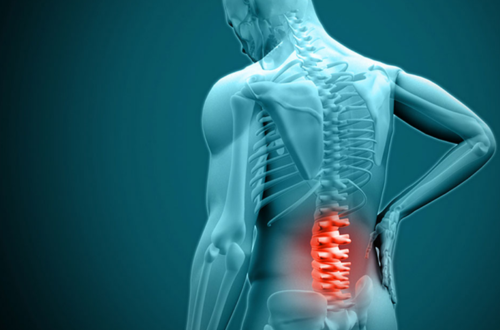
What Is Lumbar Decompression Surgery?
Lumbar decompression surgery is a specialized spinal procedure performed to relieve pressure on the nerves in the lower back (lumbar spine). This pressure often occurs due to:
Herniated or slipped discs
Spinal stenosis
Bone spurs
Thickened ligaments
Degenerative disc disease
Spondylolisthesis
When spinal nerves are compressed, patients may experience:
Persistent lower back pain
Sciatica (pain radiating to legs)
Leg weakness
Numbness or tingling
Difficulty standing or walking
Loss of balance
Lumbar decompression removes the source of compression, allowing the nerves to function normally again.
When Is Lumbar Decompression Needed?
Most patients with lower back pain improve with:
Physiotherapy
Medications
Epidural injections
Lifestyle modifications
Rest and rehabilitation
However, surgery may be recommended when:
✔ Pain persists for more than 6–12 weeks
✔ Severe leg pain affects daily life
✔ Weakness or numbness worsens
✔ Walking distance reduces significantly
✔ There is loss of bladder or bowel control (emergency)
Dr. Alok Gadkari carefully evaluates each patient with clinical examination and advanced imaging (MRI/CT scan) before recommending surgery.
Conditions Treated with Lumbar Decompression
1. Lumbar Spinal Stenosis
A narrowing of the spinal canal that compresses nerves. Common in elderly patients, it causes:
Leg pain while walking
Relief on sitting or bending forward
Numbness or heaviness in legs
2. Herniated Disc
When the soft inner portion of a disc pushes out and presses on nearby nerves. Symptoms include:
Sharp leg pain (sciatica)
Burning sensation
Weakness in legs
3. Foraminal Stenosis
Narrowing of the nerve exit canals causing localized nerve compression.
4. Degenerative Disc Disease
Age-related disc wear leading to instability and nerve irritation.
5. Spondylolisthesis
When one vertebra slips over another, compressing nerves and causing back and leg pain.
Types of Lumbar Decompression Procedures
Dr. Alok Gadkari performs different types of decompression depending on the condition:
Laminectomy
Removal of part of the lamina (back portion of vertebra) to widen the spinal canal and relieve nerve pressure.
Laminotomy
Partial removal of lamina for targeted decompression.
Discectomy / Microdiscectomy
Removal of herniated disc fragments pressing on nerves.
Foraminotomy
Widening of the nerve exit passage to reduce compression.
Minimally Invasive Lumbar Decompression
Advanced techniques using smaller incisions, minimal muscle damage, faster recovery, and less pain.
Benefits of Lumbar Decompression Surgery
Patients undergoing lumbar decompression with Dr. Alok Gadkari experience:
Significant reduction in leg pain
Improved walking capacity
Better spinal mobility
Relief from numbness and tingling
Faster return to daily activities
Improved quality of life
In properly selected patients, success rates are high, especially for leg pain relief.
The Lumbar Decompression Procedure – Step by Step
1. Pre-Surgical Evaluation
Detailed medical history
Physical examination
MRI / CT scan review
Discussion of risks and benefits
2. Anesthesia
The surgery is performed under general anesthesia.
3. Surgical Approach
A small incision is made in the lower back.
Muscles are gently moved aside.
The compressed nerve is identified.
Bone, ligament, or disc material causing compression is removed.
4. Closure
The incision is closed carefully to promote healing.
Procedure time varies from 1–3 hours depending on complexity.
Recovery After Lumbar Decompression
Recovery depends on the type of procedure and patient condition.
Immediately After Surgery
Patients may walk within 24 hours.
Hospital stay is usually 1–3 days.
First 2 Weeks
Mild discomfort at incision site
Gradual increase in activity
Avoid heavy lifting
4–6 Weeks
Return to light work
Begin physiotherapy
Improved mobility
3 Months
Most patients resume normal activities
Significant reduction in nerve pain
Dr. Alok Gadkari provides a structured post-surgical rehabilitation plan for optimal recovery.
Lumbar Decompression vs. Spinal Fusion
In some cases, decompression alone is sufficient. However, if there is spinal instability, fusion may be recommended along with decompression.
Decompression Alone:
Removes pressure on nerves
Preserves motion
Faster recovery
Decompression with Fusion:
Stabilizes spine
Used in spondylolisthesis or instability
Dr. Alok Gadkari carefully determines whether fusion is necessary.
Who Is a Good Candidate?
You may be a suitable candidate if:
You have severe leg pain due to nerve compression
Conservative treatment has failed
Imaging confirms compression
You are medically fit for surgery
Age is not a limitation if overall health is stable.
Long-Term Outcomes
Studies show lumbar decompression provides:
70–90% improvement in leg pain
Improved walking ability
Reduced dependence on pain medications
Better quality of life
Early intervention in appropriate cases prevents permanent nerve damage.