
Experienced Spine Surgeon in Pune – Dr. Alok Gadkari
Introduction to an Experienced Spine Surgeon
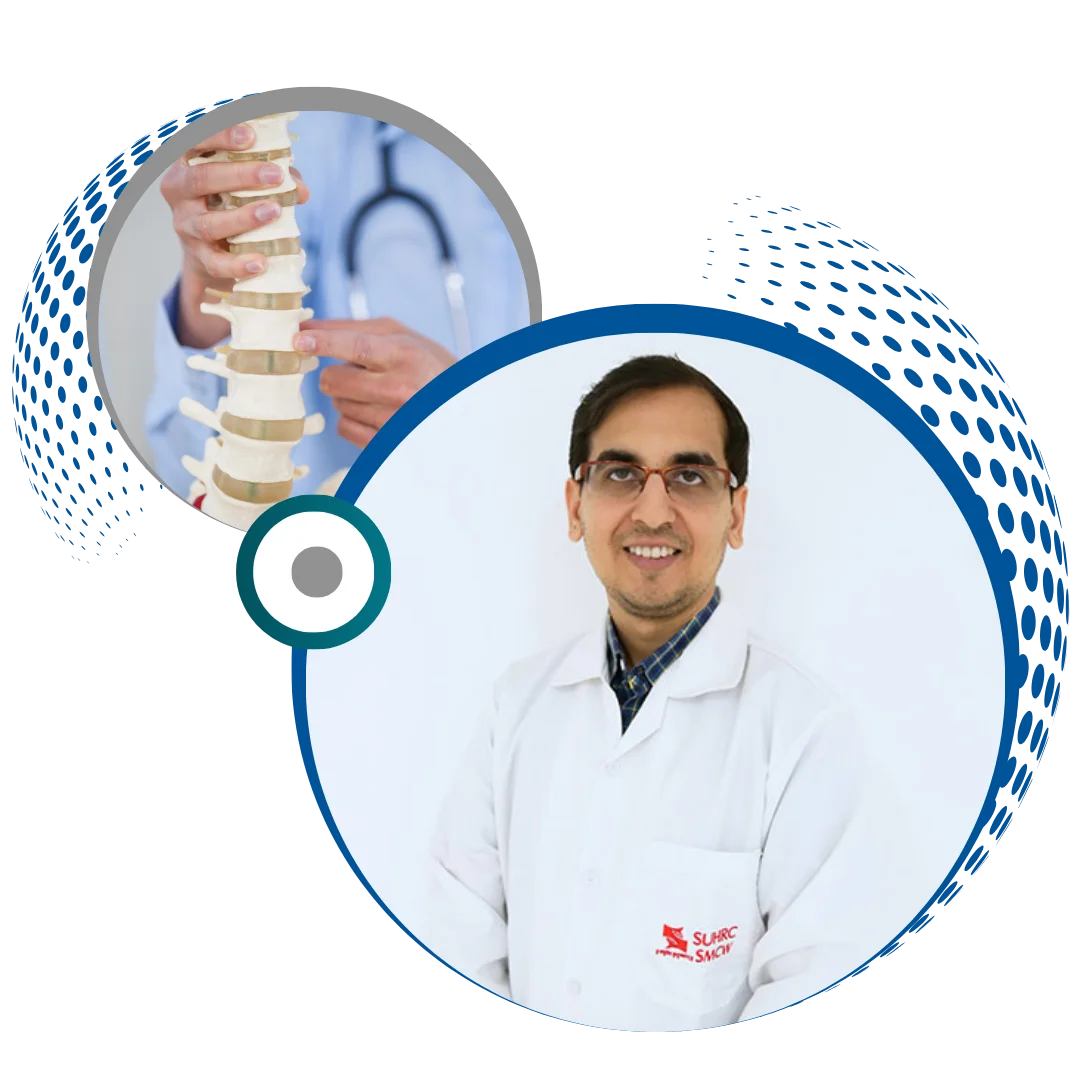
Spinal health directly influences mobility, posture, and nerve function throughout the body. Therefore, selecting an experienced spine surgeon becomes essential when symptoms such as persistent back pain or nerve irritation arise. In Pune, patients seek expertise that blends advanced diagnostics with evidence-based interventions, and this standard drives the care provided by Dr. Alok Gadkari.
Because the spine involves complex anatomical structures, accurate diagnosis requires detailed clinical evaluation and sophisticated imaging interpretation. Consequently, having a surgeon who understands subtle variations and structural nuances improves treatment precision. Additionally, an experienced spine surgeon not only relieves symptoms but also preserves long-term spinal function.
Moreover, Dr. Gadkari’s experience spans a wide range of spinal conditions, from simple mechanical pain to complex deformities and neurological compromise. As a result, patients benefit from structured care plans that focus on measurable outcomes rather than short-term symptom masking.
Ultimately, choosing an expert surgeon ensures that treatment aligns with both patient goals and functional restoration, which improves long-term quality of life.
Spine Conditions Treated by an Experienced Surgeon
An experienced spine surgeon treats a broad spectrum of spinal disorders, which often present with overlapping symptoms. For example, herniated discs frequently cause radiating leg or arm pain when disc fragments impinge on adjacent nerves. Moreover, spinal stenosis leads to canal narrowing, which compresses neural elements and limits mobility.
Furthermore, degenerative disc disease causes progressive loss of disc height and abnormal motion between vertebral segments. Consequently, chronic pain and stiffness develop. Additionally, slip discs and spondylosis result from age-related wear and tear or repetitive strain.
Because structural deformities such as scoliosis and kyphosis disrupt alignment, they demand careful assessment and multimodal management. In severe cases, these deformities affect balance, posture, and respiratory function.
Trauma-related conditions such as vertebral fractures and instability also require expert surgical judgment to prevent neurological decline.
Overall, a skilled spine surgeon addresses both common and complex spinal conditions through tailored evaluation and targeted therapies.
Why Experience Matters in Spine Surgery
Spine surgery demands technical precision, anatomical insight, and disease-specific strategies. Therefore, experience plays a crucial role in successful outcomes. Surgeons with extensive clinical exposure recognize subtle patterns that distinguish between conditions that appear similar but require vastly different interventions.
Moreover, experienced surgeons integrate current evidence with hands-on judgment. Consequently, decision-making becomes efficient and reliable. In contrast, less experienced providers may rely on generalized protocols that fail to account for individual variations.
Additionally, surgical experience influences risk management, which becomes critical when navigating complex spinal anatomy. For instance, precise nerve decompression avoids inadvertent irritation, while optimal hardware placement ensures long-term stability.
Furthermore, experienced surgeons often engage in continuous learning, which keeps them updated on innovations such as minimally invasive techniques and enhanced instrumentation. Therefore, patients benefit from modern care principles that emphasize safety and durability.
In essence, experience not only improves technical quality but also builds confidence and trust between patient and surgeon.
Advanced Diagnostic Approach
Accurate diagnosis underpins effective treatment for spine conditions. Therefore, Dr. Alok Gadkari begins with detailed clinical evaluation before proceeding to advanced imaging. Initially, a thorough history helps identify symptom patterns, onset timing, and functional impact. Subsequently, physical examination evaluates posture, gait, reflexes, muscle strength, and range of motion.
Moreover, high-resolution MRI scans visualize soft tissues, nerve roots, and disc pathology with precision. Additionally, CT scans assess bony alignment, fractures, and structural integrity.
Because symptoms often overlap between conditions, clinical correlation with imaging ensures accurate identification of the pathological level. Consequently, unnecessary or misguided interventions become avoidable.
Furthermore, digital X-rays help assess dynamic segmental alignment, which proves essential in planning surgical correction.Because diagnostic precision drives treatment success, the experienced spine surgeon integrates multiple modalities to form a cohesive clinical picture. Ultimately, this approach ensures that interventions remain targeted, necessary, and effective.
Non-Surgical Spine Treatment Options
Many spine conditions improve without surgical intervention when treated early and systematically. Therefore, conservative management remains the first line of care under Dr. Gadkari’s structured approach. Initially, anti-inflammatory medications reduce swelling around irritated nerves and muscles.
Furthermore, muscle relaxants and nerve modulators help manage acute discomfort. Concurrently, structured physiotherapy strengthens core and paraspinal muscles to support spinal alignment and improve flexibility.
Moreover, posture correction and ergonomic guidance teach patients how to reduce mechanical strain during daily activities. Consequently, many patients experience substantial relief without invasive procedures.
In addition, interventional techniques such as epidural steroid injections or selective nerve root blocks deliver targeted relief for persistent nerve irritation. Because these interventions focus on reducing localized inflammation, they often provide rapid symptom improvement. However, follow-up and monitoring ensure ongoing effectiveness.
Minimally Invasive Spinal Techniques
When conservative care fails, minimally invasive approaches provide effective relief with reduced tissue disruption. Unlike traditional open surgery, minimally invasive methods use specialized instruments and smaller incisions to access the affected spinal level.
For example, microdiscectomy allows precise removal of herniated disc fragments compressing nerve roots. Additionally, endoscopic decompression alleviates nerve pressure with minimal disturbance to surrounding muscles. Furthermore, laser-assisted procedures enhance surgical accuracy during delicate correction.
Because minimally invasive surgery limits blood loss and reduces postoperative pain, hospital stays shorten and recovery accelerates. Consequently, patients resume light activities sooner, which supports functional recovery.
Importantly, patient selection remains critical. Therefore, an experienced spine surgeon evaluates suitability based on imaging findings, severity of compression, and overall health.
Complex Spine Surgery for Severe Conditions
Although many spine conditions respond to conservative or minimally invasive approaches, certain disorders demand advanced surgical correction. Therefore, complex cases such as severe spinal instability, significant deformity, progressive neurological weakness, or tumor involvement require structured surgical intervention.
Dr. Alok Gadkari performs spinal fusion to stabilize unstable segments and prevent abnormal motion. Moreover, deformity correction aligns curved spines such as those affected by scoliosis or kyphosis, which improves biomechanics and reduces pain.
In addition, decompression surgeries relieve nerve pressure safely in cases of severe stenosis. Because restoring structural balance reduces mechanical strain on adjacent segments, long-term success improves.
Furthermore, vertebral fracture stabilization and tumor removal require precise judgment, advanced instrumentation, and intraoperative monitoring.Combined with meticulous preoperative planning, these surgical options provide effective correction with measurable improvement in function.
Rehabilitation and Long-Term Functional Recovery
Successful spine treatment extends beyond surgical or non-surgical intervention. Therefore, comprehensive rehabilitation becomes an essential component of the recovery process. Initially, guided physiotherapy enhances mobility and flexibility. Subsequently, strengthening programs bolster spinal support and endurance.
Moreover, posture retraining teaches patients how to perform daily activities safely. Because muscle imbalance often contributes to recurring pain, long-term conditioning improves resilience and function.
Additionally, ergonomic education improves workstation habits and daily biomechanics.
Regular follow-up assessments allow therapists to monitor progress and adjust rehabilitation plans for peak effectiveness. Consequently, rehabilitation becomes personalized, measurable, and outcome-oriented.
Why Experience Matters in Spine Care
Technology and Precision Infrastructure for Spine Surgery
Modern spine care demands technological precision to enhance safety and accuracy. Therefore, Dr. Gadkari integrates state-of-the-art imaging, intraoperative navigation, neuromonitoring, and precision instrumentation in every case.
High-resolution MRI reveals nerve compression and soft-tissue detail. Additionally, digital X-ray assesses spinal alignment and dynamic motion. During surgery, real-time imaging and neuromonitoring protect neural structures while facilitating precise correction.
Furthermore, sterile operating environments and structured postoperative care protocols enhance recovery and reduce infection risk.
Because technology complements clinical skill, patients receive care that is both safe and effective.
Book an Appointment with an Experienced Spine Surgeon
If persistent spinal pain limits your quality of life, early consultation improves treatment success. Therefore, contact Pune’s experienced spine surgeon, Dr. Alok Gadkari, for structured evaluation and personalized care.
Dr. Gadkari offers comprehensive spine diagnosis, conservative management, minimally invasive procedures, and advanced surgical correction tailored to your condition
Schedule a consultation with Dr. Alok Gadkari, and take the first step towards a pain-free life.
📞Call now or book online for a detailed consultation.
Frequently Asked Questions (FAQs)
1. How do I choose the right spine surgeon?
Look for clinical experience, advanced diagnostics, evidence-based protocols, and personalized treatment planning.
2. What conditions can be treated without surgery?
Many conditions such as mild herniated discs, early stenosis, and mechanical pain respond to physiotherapy, medication, and ergonomic correction.
3. Is minimally invasive spine surgery safe?
Yes, when performed by an experienced surgeon, minimally invasive techniques reduce tissue trauma and speed recovery.
4. How long does recovery take after spine surgery?
Recovery varies by procedure and individual factors; however, structured rehabilitation accelerates healing.
5. When should I seek urgent specialist care?
Seek urgent care if you experience progressive weakness, loss of bladder control, or sudden severe neurological symptoms.