
Understanding Anterior Cervical Discectomy & Fusion (ACDF)
Anterior Cervical Discectomy & Fusion, commonly known as ACDF surgery, is a specialized spine procedure that treats cervical disc disorders causing nerve compression. Specifically, this surgery targets damaged discs in the neck region that produce persistent pain, numbness, or weakness in the arms and shoulders.
During the procedure, the surgeon removes the problematic disc from the front (anterior) side of the neck. Subsequently, the surgeon stabilizes the affected vertebrae using a bone graft and, in most cases, a small plate or implant. As a result, spinal stability improves while nerve pressure decreases significantly.
Because cervical nerve compression can severely affect daily activities, early surgical correction often prevents long-term neurological damage. Therefore, patients experiencing persistent cervical symptoms should seek evaluation promptly.
In Pune, Dr. Alok Gadkari performs ACDF surgery using advanced surgical planning and precision techniques to ensure accurate decompression and spinal alignment.
When Is ACDF Surgery Recommended?
ACDF surgery becomes necessary when conservative treatments fail to relieve symptoms. Initially, doctors recommend medication, physiotherapy, and lifestyle modification. However, if symptoms persist beyond several weeks, surgical evaluation becomes essential.
Common indications include:
- Cervical slip disc
- Cervical radiculopathy
- Spinal cord compression
- Persistent arm pain
- Progressive weakness
- Cervical spondylosis with nerve compression
Moreover, if imaging studies confirm disc herniation with nerve impingement, ACDF provides a reliable corrective solution. Importantly, early intervention prevents worsening neurological deficits. Therefore, patients with progressive numbness, balance issues, or difficulty using their hands should not delay consultation.
Dr. Alok Gadkari carefully evaluates MRI findings, clinical symptoms, and neurological status before recommending ACDF surgery.
Symptoms That May Require ACDF Surgery
Cervical disc problems often produce symptoms that extend beyond simple neck pain. For instance, patients frequently report radiating arm pain, tingling sensations, or numbness in the fingers. Additionally, some individuals experience muscle weakness that affects grip strength.
Furthermore, spinal cord compression may cause coordination problems or difficulty walking. In severe cases, patients notice bowel or bladder dysfunction, which requires urgent evaluation.
Because cervical nerves control upper limb function, untreated compression may lead to permanent damage. Therefore, recognizing symptoms early ensures better surgical outcomes. Persistent pain lasting more than six weeks despite therapy often signals structural disc pathology. Consequently, timely imaging and specialist consultation become crucial. Early surgical planning significantly improves recovery success.
How ACDF Surgery Is Performed
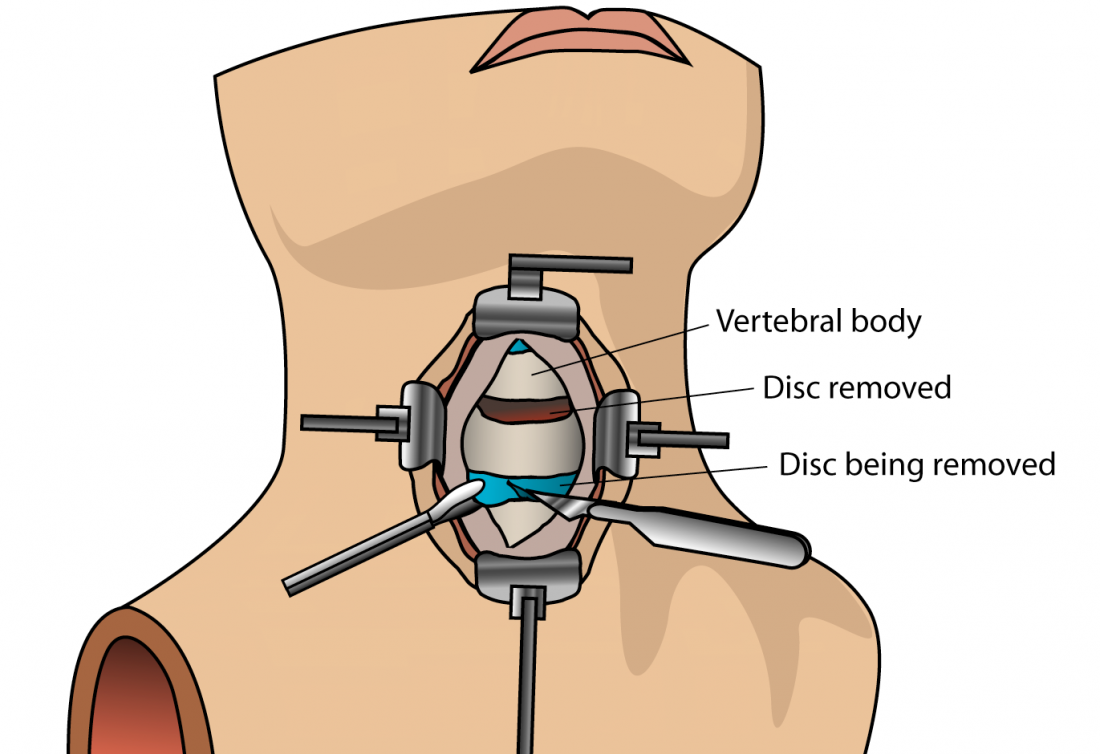
ACDF surgery follows a precise and structured process. First, the surgeon makes a small incision at the front of the neck. Then, the surgeon carefully moves soft tissues aside to access the cervical spine without damaging major structures.
Next, the damaged disc is completely removed. Subsequently, the surgeon decompresses the affected nerve root or spinal cord. After decompression, a bone graft or synthetic spacer fills the disc space to maintain height and alignment.
Finally, the surgeon stabilizes the vertebrae using a small plate and screws if required. Over time, the bones fuse naturally, creating long-term spinal stability.Because the approach avoids major muscle disruption, recovery remains relatively smooth. Furthermore, advanced imaging guidance enhances surgical precision.
Benefits of ACDF Surgery
Recovery After ACDF Surgery
Recovery after ACDF surgery progresses steadily when patients follow medical guidance. Initially, mild throat discomfort or swallowing difficulty may occur. However, these symptoms usually resolve within days.
Patients typically walk within 24 hours. Additionally, most individuals return home within one to two days depending on surgical complexity.
Neck support braces may be recommended temporarily. Furthermore, guided physiotherapy strengthens surrounding muscles and restores mobility.
Because fusion takes time, complete bone healing usually occurs over several months. Nevertheless, most patients resume routine non-strenuous activities within a few weeks. Regular follow-up appointments ensure proper healing and fusion progress. Commitment to rehabilitation plays a critical role in achieving long-term stability.
Risks and Safety Considerations
Although ACDF surgery has a high success rate, every surgical procedure carries potential risks. Possible complications include infection, bleeding, hoarseness, swallowing difficulty, or non-fusion.
However, careful surgical planning and modern techniques significantly reduce these risks. Moreover, experienced surgical hands further enhance safety outcomes.
Dr. Alok Gadkari emphasizes patient evaluation, imaging accuracy, and intraoperative precision to minimize complications. Additionally, strict postoperative monitoring ensures early detection of any concern.When patients follow rehabilitation guidelines, complication rates remain low.Clear communication and realistic expectations improve surgical satisfaction.
Why Choose Dr. Alok Gadkari for ACDF Surgery in Pune?
Expertise determines surgical precision. Dr. Alok Gadkari combines advanced spine surgery training with patient-focused care. Furthermore, he evaluates each case individually rather than recommending standardized solutions.
Because cervical spine surgery demands accuracy, he uses modern imaging and surgical tools for optimal decompression and fusion alignment. Additionally, he explains the procedure clearly to patients before surgery.
Comprehensive postoperative follow-up ensures smooth recovery and long-term success.Professional experience, clinical judgment, and structured rehabilitation support make him a trusted ACDF surgeon in Pune.
When Should You Consult a Spine Specialist?
Persistent neck pain lasting beyond six weeks requires evaluation. Additionally, radiating arm pain, numbness, or weakness should not be ignored.
Moreover, balance problems or coordination issues indicate possible spinal cord involvement. Therefore, early consultation prevents permanent nerve damage.If conservative therapy fails to relieve symptoms, surgical assessment becomes essential.Timely diagnosis increases the likelihood of minimally invasive and effective correction.
Importance of Early Consultation for Back Pain
Many individuals delay medical consultation due to temporary relief or busy schedules. However, untreated spinal issues often worsen over time. For example, minor disc bulges can progress into severe herniation. Similarly, mild nerve irritation may lead to chronic neuropathic pain.
Therefore, early consultation with a back pain doctor in Pune prevents structural deterioration. Dr. Alok Gadkari emphasizes proactive care so patients avoid long-term nerve damage or mobility limitations.
By seeking timely evaluation, patients protect their spinal health and improve recovery outcomes significantly.
Patient-Centered Care and Transparent Communication
Beyond clinical expertise, patient comfort and clarity remain priorities. Dr. Gadkari ensures that every patient understands their diagnosis and treatment pathway. Consequently, individuals feel confident and informed throughout the process
He discusses benefits, risks, and expected outcomes clearly. Additionally, he encourages questions and collaborative decision-making. Because patient trust enhances treatment adherence, this transparent approach contributes to successful outcomes.
Book an Appointment
If cervical pain affects your daily activities, consult a spine specialist without delay. Dr. Alok Gadkari provides expert ACDF surgery in Pune with structured diagnosis and advanced surgical planning.
Schedule a consultation to discuss your symptoms, review imaging reports, and explore treatment options
Schedule a consultation with Dr. Alok Gadkari, and take the first step towards a pain-free life.
📞Call now or book online for a detailed consultation.
Frequently Asked Questions (FAQs)
1. Is ACDF surgery painful?
Postoperative discomfort remains manageable with medication, and most patients report significant pain relief within days.
2. How long does fusion take?
Bone fusion typically develops over three to six months depending on individual healing.
3. Will neck movement reduce after fusion?
Minor movement restriction may occur; however, most patients adapt quickly without functional limitation.
4. How soon can I return to work?
Light work often resumes within two to four weeks depending on recovery progress.
5. Is ACDF a permanent solution?
Yes, when performed correctly and supported by rehabilitation, ACDF offers long-term stability and symptom relief.