
Tuberculosis Spine Surgery in Pune – Dr. Alok Gadkari
Spinal tuberculosis, also known as Pott’s disease, is a serious condition that affects the vertebrae and intervertebral discs. Moreover, untreated spinal TB can lead to severe deformity, chronic pain, and neurological complications. Additionally, Dr. Alok Gadkari, a leading spine surgeon in Pune, provides comprehensive evaluation and treatment for patients suffering from this condition.
Furthermore, early diagnosis and intervention are crucial to prevent spinal instability, neurological deficits, or permanent disability. Advanced imaging techniques, including MRI and CT scans, allow precise identification of infection location and extent. Consequently, patients receive tailored surgical or medical management that ensures the best outcomes.
In addition, the clinic emphasizes minimally invasive techniques whenever feasible, reducing tissue trauma and accelerating recovery. Patients benefit from shorter hospital stays, reduced postoperative pain, and improved long-term spinal health.
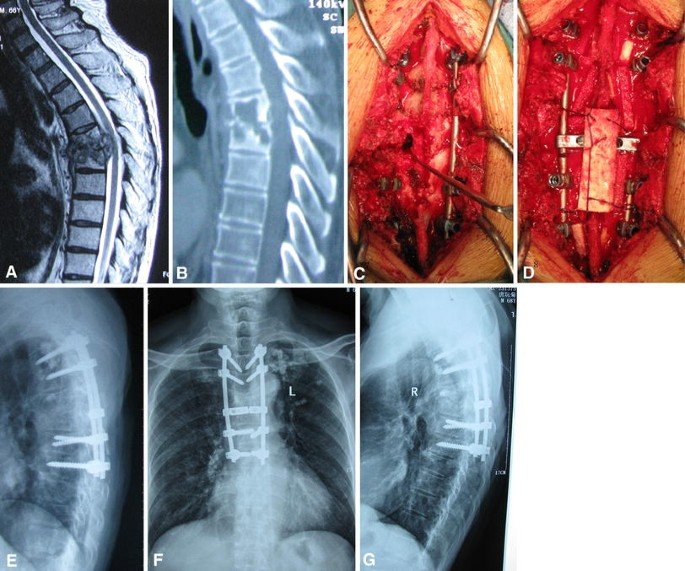
Symptoms of Spinal Tuberculosis
Patients with spinal TB often experience a range of symptoms depending on infection severity. For instance, persistent back pain, stiffness, fever, night sweats, and weight loss are common early signs. Moreover, neurological symptoms, such as weakness, numbness, or tingling in the limbs, may develop if the spinal cord or nerves are compressed.
Additionally, spinal deformities such as kyphosis can occur in advanced cases. Consequently, prompt evaluation is essential to prevent permanent neurological damage. Furthermore, Dr. Gadkari emphasizes detailed assessment of symptoms and neurological function to create an accurate diagnosis and an effective treatment plan.
Moreover, early recognition and intervention significantly improve surgical success rates and functional recovery for patients.
Causes and Risk Factors
Tuberculosis of the spine occurs when Mycobacterium tuberculosis spreads from the lungs or other organs to the vertebrae. Firstly, immunocompromised patients, including those with HIV, diabetes, or malnutrition, are at higher risk. Moreover, close contact with TB-infected individuals or untreated pulmonary TB increases susceptibility. In addition, delayed treatment of primary TB infections allows the bacteria to affect the spinal structures.
Furthermore, trauma or weakened vertebrae may facilitate bacterial invasion. Consequently, early detection of risk factors allows preventive measures and timely medical intervention. Additionally, understanding individual risk profiles enables Dr. Gadkari to tailor treatment plans for maximum effectiveness and safety.
Diagnostic Evaluation
Accurate diagnosis of spinal TB is critical for successful management. Firstly, the clinic performs a detailed clinical examination, assessing pain, mobility, and neurological function. Moreover, advanced imaging, including MRI, CT scans, and X-rays, helps determine the extent of vertebral destruction, abscess formation, and spinal alignment.
In addition, laboratory tests, such as ESR, CRP, and TB cultures, confirm the presence of infection. Consequently, a thorough evaluation allows selection of appropriate surgical or medical treatment. Furthermore, patient history, including previous TB infections, symptoms, and comorbidities, informs treatment decisions.
Additionally, preoperative counseling ensures patients understand the diagnosis, proposed procedure, and expected recovery process, enhancing confidence and compliance.
Non-Surgical Treatment Options
Surgery becomes necessary when spinal instability, neurological deficits, severe deformity, or abscess formation occurs. Firstly, Dr. Gadkari performs debridement and stabilization procedures to remove infected tissue and restore vertebral alignment. Moreover, minimally invasive and endoscopic techniques reduce incision size, tissue trauma, and recovery time.
In addition, spinal instrumentation, including pedicle screws and rods, provides stability while promoting bone healing. Consequently, patients experience pain relief, improved mobility, and protection from further deformity. Furthermore, careful planning ensures preservation of neurological function and reduces postoperative complications.
Additionally, advanced imaging guidance enhances precision during surgery, ensuring optimal outcomes and long-term spinal health.
Postoperative Recovery and Rehabilitation
Recovery after spinal TB surgery focuses on healing, mobility, and neurological improvement. For example, patients begin supervised physiotherapy to strengthen spinal muscles and restore flexibility. Moreover, braces or supports may be used temporarily to maintain proper alignment during recovery.
In addition, nutritional guidance and medication adherence are emphasized to support bone healing and infection control. Consequently, structured rehabilitation improves functional outcomes and reduces recurrence risk. Furthermore, follow-up appointments allow monitoring of recovery, adjustment of therapy, and early detection of potential complications.
Additionally, patient education ensures long-term adherence to spinal care protocols.
Pain Management Strategies
Managing pain is essential during both medical and surgical treatment. Firstly, analgesics and anti-inflammatory medications are prescribed according to patient needs. Moreover, physiotherapy, posture correction, and gradual mobilization complement medical management.
Furthermore, addressing pain early prevents secondary issues such as muscle atrophy or joint stiffness. In addition, patient education on safe movement patterns reduces spinal strain and supports recovery. Consequently, effective pain control enhances rehabilitation and improves overall quality of life.
Additionally, ongoing monitoring ensures timely intervention for any persistent or worsening pain.
Technology and Surgical Precision
Advanced technology ensures safe and effective spine surgery for TB. For example, intraoperative imaging, laser-assisted tools, and minimally invasive instruments allow precise removal of infected tissue. Moreover, real-time guidance helps place instrumentation accurately, preserving healthy structures.
In addition, minimally invasive techniques reduce blood loss, postoperative pain, and hospital stays. Consequently, patients recover faster, experience less scarring, and regain mobility sooner. Furthermore, the clinic’s continuous adoption of innovative technologies ensures optimal patient outcomes and maintains its reputation as a leading TB spine surgery center in Pune
Minimally Invasive vs. Traditional Surgery
Minimally invasive approaches offer advantages over conventional open surgery. For instance, smaller incisions, less tissue trauma, and shorter recovery periods make these procedures preferable when feasible. Moreover, minimally invasive techniques reduce postoperative pain and risk of infection.
In addition, traditional open surgery may be necessary for severe deformities or extensive infection. Consequently, careful patient evaluation ensures that the most effective surgical approach is selected. Furthermore, Dr. Gadkari customizes surgical planning based on fracture location, severity, and patient health for maximum safety and functional recovery.
Long-Term Spine Health & Lifestyle Guidance
Maintaining spine health post-TB surgery is crucial for preventing recurrence. For instance, patients learn proper posture, lifting techniques, and ergonomic practices. Moreover, core-strengthening exercises, low-impact activity, and balanced nutrition support bone health.
In addition, avoiding smoking, alcohol abuse, and repetitive strain preserves spinal integrity. Consequently, patients enjoy improved mobility, reduced pain, and better overall health. Furthermore, ongoing follow-up allows early detection of any relapse, ensuring timely intervention.
Additionally, lifestyle changes complement medical or surgical treatment, ensuring long-term stability and functional recovery.
Patient-Centered Care and Transparent Communication
Dr. Gadkari’s clinic emphasizes patient-centered care. For instance, personalized counseling, clear explanations, and emotional support reduce anxiety and improve compliance. Moreover, individualized follow-up plans, rehabilitation, and lifestyle guidance ensure safe and effective recovery.
In addition, patients actively participate in decisions regarding their care, which increases confidence and satisfaction. Consequently, surgical and medical outcomes are optimized. Furthermore, holistic care ensures long-term spine stability, improved mobility, and enhanced quality of life.
Book an Appointment
If you experience back pain, spinal deformity, numbness, or weakness, early consultation is essential. Moreover, Dr. Alok Gadkari offers comprehensive spinal TB treatment in Pune, including advanced diagnostics, surgical interventions, and rehabilitation. Additionally, appointments can be booked via phone or online, ensuring convenient access to expert care.
Furthermore, timely treatment prevents complications, supports faster recovery, and restores mobility. Consequently, patients maintain long-term spinal health and enjoy pain-free living. Finally, booking a consultation today is the first step toward lasting recovery
Schedule a consultation with Dr. Alok Gadkari,and take the first step towards a pain-free life.
📞Call now or book online for a detailed consultation.
Frequently Asked Questions (FAQs)
1. What are common symptoms of spinal TB?
Back pain, stiffness, fever, night sweats, weight loss, limb weakness, and numbness.
2. Is surgery always necessary?
No, early TB can be treated medically; surgery is required for neurological deficits, deformity, or instability.
3. How long is recovery after surgery?
Recovery varies but most patients resume light activities in 3–4 weeks and full recovery in several months.
4. Is physiotherapy required?
Yes, guided rehabilitation strengthens muscles, restores mobility, and prevents recurrence.
5. How can I book an appointment?
Appointments are available via phone or online for convenience and early evaluation.
6. Are the results permanent?
Yes, adherence to post-treatment care, medication, exercises, and lifestyle modifications ensures lasting recovery.