
Fracture Spine Surgery in Pune – Dr. Alok Gadkari
Spinal fractures require urgent and specialized care to prevent permanent damage and ensure recovery. Moreover, Dr. Alok Gadkari, a leading spine surgeon in Pune, provides expert surgical treatment for various types of vertebral fractures. Additionally, his clinic offers advanced diagnostic evaluation and personalized treatment plans, tailored to each patient’s condition and lifestyle.
Furthermore, timely intervention is crucial to prevent complications such as nerve damage, paralysis, or chronic pain. The clinic emphasizes precise diagnosis using MRI, CT scans, and digital X-rays, which allows for accurate surgical planning. Consequently, patients experience optimal recovery and improved spinal stability.
In addition, minimally invasive techniques are preferred whenever feasible. These methods preserve healthy tissues, reduce postoperative pain, and shorten hospital stays. As a result, patients can resume daily activities faster, which contributes to enhanced overall quality of life.
Types of Spinal Fractures Treated
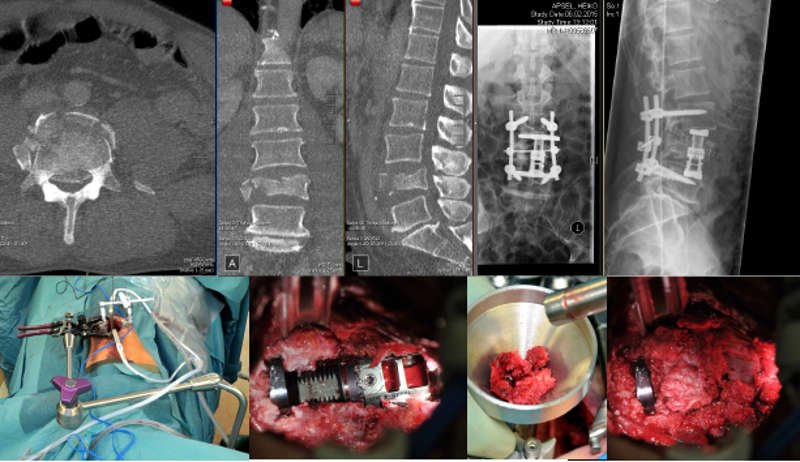
Spinal fractures can occur due to trauma, accidents, osteoporosis, or degenerative conditions. For instance, compression fractures, burst fractures, fracture-dislocations, and traumatic vertebral fractures are commonly addressed. Moreover, each type of fracture requires a specific surgical or non-surgical approach.
Additionally, unstable fractures often demand surgical stabilization using advanced instrumentation and fixation techniques. Patients with minor fractures may benefit from bracing or minimally invasive interventions. As a result, individualized treatment ensures structural integrity and reduces the risk of further injury.
Furthermore, early evaluation and timely intervention prevent long-term complications, including chronic pain, deformity, and limited mobility. By offering comprehensive care, the clinic helps patients regain normal function and maintain spinal health.
Diagnostic Evaluation
Accurate diagnosis forms the foundation of successful spine fracture management. Firstly, the clinic performs a thorough clinical examination to assess pain, neurological deficits, and spinal alignment. Moreover, advanced imaging techniques, such as MRI, CT scans, and X-rays, help identify fracture type, severity, and associated injuries.
In addition, neurological assessment evaluates motor strength, sensory function, and reflexes. Consequently, the surgical team can tailor interventions according to individual needs. Furthermore, preoperative planning considers the patient’s age, overall health, bone quality, and activity level to select the safest and most effective treatment.
Additionally, clear communication with patients ensures they understand the procedure, recovery expectations, and rehabilitation process. This transparency enhances trust and supports better surgical outcomes.
Advanced Surgical Techniques
The clinic utilizes cutting-edge surgical methods for spinal fractures. For example, minimally invasive spine surgery (MISS) allows stabilization with minimal tissue disruption. Moreover, percutaneous pedicle screw fixation, vertebroplasty, and kyphoplasty are performed with precision using real-time imaging guidance.
In addition, keyhole and endoscopic techniques reduce incision size, blood loss, and postoperative pain. Consequently, hospital stays are shorter, and recovery is faster. Furthermore, the surgical team follows international protocols to ensure patient safety, optimal spinal alignment, and long-term functional outcomes.
Moreover, these procedures allow early mobilization, which is essential for preventing muscle weakness, stiffness, and secondary complications. Patients benefit from modern techniques combined with experienced surgical expertise.
Preoperative Planning and Safety
Effective preoperative planning ensures a safe and successful procedure. Firstly, the team evaluates the patient’s overall health, comorbidities, and risk factors. Moreover, imaging studies help map the fracture and plan instrumentation placement accurately.
In addition, patients receive counseling about anesthesia, potential risks, and recovery timelines. Consequently, patients gain confidence and mental preparedness before surgery. Furthermore, safety measures, such as infection control protocols and real-time imaging, minimize intraoperative risks.
Additionally, preoperative guidance on posture, exercises, and nutrition supports healing and reduces complications. By prioritizing safety, the clinic maximizes surgical effectiveness and patient satisfaction.
Postoperative Recovery and Rehabilitation
Recovery after fracture spine surgery involves careful monitoring and structured rehabilitation. For example, early mobilization prevents stiffness, improves circulation, and accelerates healing. Moreover, physiotherapy focuses on core strengthening, flexibility, and posture correction to ensure spinal stability.
In addition, lifestyle guidance, ergonomic adjustments, and safe movement patterns reduce the risk of re-injury. Consequently, patients regain mobility faster, experience less pain, and improve overall function. Furthermore, regular follow-ups allow the surgical team to monitor healing, address concerns promptly, and adjust rehabilitation plans as needed.
Additionally, patient education ensures that exercises and lifestyle changes are continued at home, supporting long-term spinal health.
Pain Management Strategies
Effective pain control is critical for recovery. Firstly, tailored medication plans, including analgesics and anti-inflammatory therapy, are implemented. Moreover, non-drug strategies, such as heat/cold therapy, posture correction, and gentle exercises, complement medical management.
Furthermore, patients are taught safe ways to move and perform activities to reduce strain on the healing spine. Consequently, pain is controlled efficiently, allowing active participation in rehabilitation. Additionally, ongoing monitoring addresses any discomfort promptly, reducing complications and supporting long-term recovery.
Technology and Precision
Advanced technology enhances surgical accuracy and safety. For instance, real-time imaging, laser-assisted guidance, and robotic tools allow precise placement of screws and implants. Moreover, minimally invasive instruments reduce tissue trauma, blood loss, and scarring.
In addition, preserving muscles and ligaments enhances spinal stability and function. Consequently, patients benefit from faster recovery and improved outcomes. Furthermore, continual adoption of innovative techniques ensures the clinic remains a leading center for fracture spine surgery in Pune.
Minimally Invasive vs. Traditional Surgery
Minimally invasive techniques offer significant advantages over conventional open procedures. For example, smaller incisions reduce tissue damage, blood loss, and infection risk. Moreover, recovery times are shorter, and patients return to normal activity faster. In addition, pain and scarring are minimized.
Furthermore, traditional open surgery may be required for complex fractures, but it involves longer recovery and higher complication risk. Consequently, minimally invasive surgery is often preferred when suitable. Additionally, patient-specific planning ensures the safest, most effective procedure for each fracture type.
Long-Term Spine Health & Lifestyle Guidance
Maintaining spinal health after fracture surgery is essential. For instance, patients learn proper posture, lifting techniques, and ergonomic adjustments. Moreover, core-strengthening exercises, yoga, and low-impact activities enhance spinal stability and flexibility. In addition, avoiding prolonged sitting or heavy lifting reduces stress on the spine.
Furthermore, regular check-ups allow monitoring of bone healing and early identification of potential issues. Consequently, patients maintain long-term spine health, reduce recurrence risk, and enjoy improved mobility. Additionally, combining surgical treatment with lifestyle modifications ensures lasting benefits and functional recovery.
Patient-Centered Approach
The clinic prioritizes patient-centered care for every fracture case. For instance, individualized counseling, emotional support, and treatment education reduce anxiety and build confidence. Moreover, patients actively participate in decisions about surgical approach, rehabilitation, and lifestyle changes.
In addition, personalized follow-ups monitor recovery progress, adjust exercises, and prevent complications. Consequently, patient satisfaction is high, and outcomes are optimized. Furthermore, comprehensive guidance before, during, and after surgery ensures a smooth recovery and long-term spinal stability.
Book an Appointment
If you experience back or neck pain after trauma, numbness, weakness, or spinal instability, early consultation is critical. Moreover, Dr. Alok Gadkari provides advanced fracture spine surgery in Pune with personalized evaluation, surgical planning, and rehabilitation support. Additionally, appointments can be booked via phone or online, making expert care easily accessible.
Furthermore, early intervention reduces complications, promotes faster recovery, and restores mobility. Consequently, patients regain independence and maintain long-term spinal health. Finally, scheduling a consultation today is the first step toward pain-free living and a fully functional spine.
.Schedule a consultation with Dr. Alok Gadkari, and take the first step towards a pain-free life.
📞Call now or book online for a detailed consultation.
Frequently Asked Questions (FAQs)
1. What types of fractures are treated?
Compression, burst, fracture-dislocations, traumatic vertebral fractures, and osteoporotic fractures.
2. Are surgeries minimally invasive?
Yes, keyhole, laser, and endoscopic procedures are used whenever possible.
3. How long is recovery?
Light activities resume in 2–4 weeks; full recovery varies by fracture severity.
4. Is physiotherapy required post-surgery?
Yes, structured rehabilitation supports strength, mobility, and stability.
5. How can I book an appointment?
Via phone or online consultation for convenience and early evaluation.
6. Are the results permanent?
Yes, when patients follow post-surgery care and lifestyle guidance consistently.