
Laser Spine Surgery in Pune – Dr. Alok Gadkari
Laser spine surgery is a minimally invasive technique that uses focused laser energy to treat spinal disorders, including herniated discs, spinal stenosis, and nerve compression. Unlike traditional open surgery, this method minimizes tissue damage while preserving surrounding muscles, ligaments, and bones. As a result, patients experience less pain, smaller scars, and faster recovery.
Dr. Alok Gadkari, a highly experienced spine surgeon in Pune, performs laser spine surgery using advanced imaging and specialized laser equipment. Initially, he evaluates the patient’s symptoms, such as back or neck pain, radiating leg or arm pain, numbness, and weakness. Subsequently, MRI or CT scans identify the precise site of nerve compression or disc pathology. Based on these findings, he designs a personalized surgical plan tailored to each patient’s anatomy and condition.
This laser-based procedure enables precise removal or shrinkage of herniated disc material while protecting healthy tissues. Due to its minimally invasive nature, patients benefit from shorter hospital stays, reduced blood loss, and early return to daily activities. Timely evaluation by a specialist ensures effective pain relief and prevents long-term nerve damage.
Conditions Treated with Laser Spine Surgery
Laser spine surgery effectively addresses a variety of spinal conditions, including:
- Lumbar disc herniation causing sciatica and leg pain
- Cervical disc herniation resulting in neck, shoulder, or arm discomfort
- Spinal stenosis leading to nerve compression and restricted mobility
- Recurrent disc problems following previous spinal surgery
Dr. Gadkari carefully selects candidates by performing detailed neurological assessments, imaging studies, and functional evaluations. Consequently, only patients likely to benefit undergo surgery. This targeted approach preserves surrounding tissues, reduces postoperative discomfort, and accelerates recovery. Many patients are able to mobilize within 24 hours after surgery.
Additionally, laser surgery relieves pressure precisely at the affected area, preventing further degeneration or nerve damage. As a result, patients regain mobility, improve their quality of life, and return to work or daily activities sooner compared to conventional open procedures.
Advantages of Laser Spine Surgery
Laser spine surgery offers numerous advantages over traditional open surgery. Smaller incisions reduce tissue trauma and blood loss, minimizing postoperative pain. Shorter hospital stays, often just one or two days, allow patients to return home quickly.
Early mobilization decreases stiffness, improves circulation, and accelerates healing. Cosmetic outcomes are also enhanced since scars remain tiny and nearly invisible. Preservation of muscles, ligaments, and surrounding soft tissues maintains long-term spinal stability.
Advanced imaging ensures precise targeting, reducing complications and improving success rates. Overall, laser spine surgery combines effectiveness, safety, and efficiency, making it the preferred choice for conditions such as disc herniation, spinal stenosis, and nerve compression. Reduced infection risk and enhanced long-term spine health are additional benefits.
Who is an Ideal Candidate?
The Laser Surgical Procedure
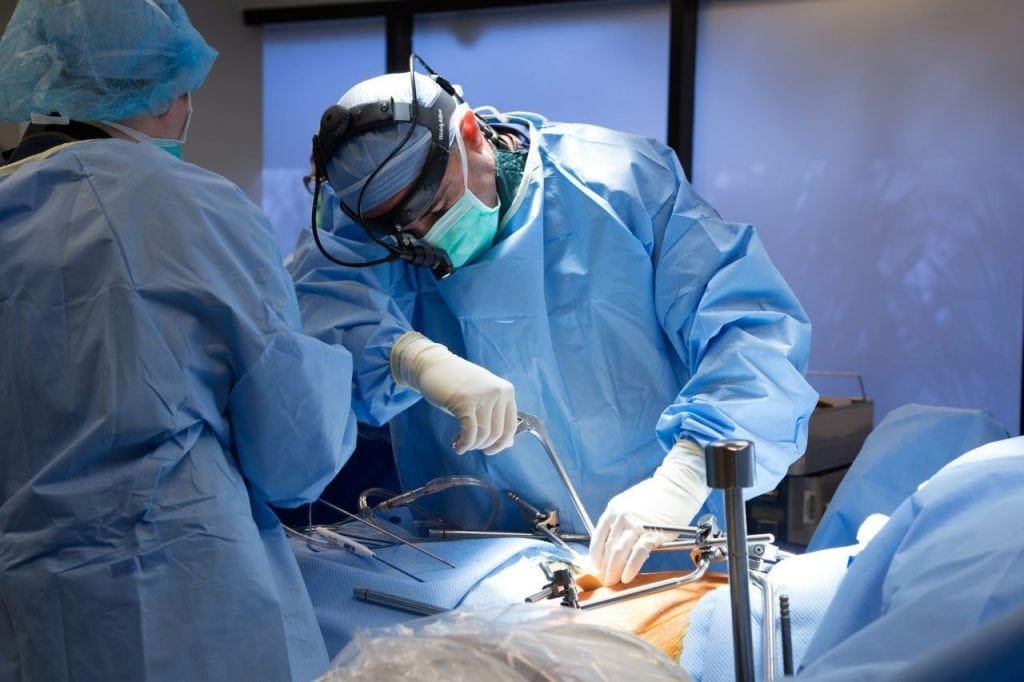
Laser spine surgery typically begins under local or general anesthesia. Through a small incision, Dr. Gadkari uses an endoscope and laser device to access the spine. The laser precisely removes or shrinks herniated disc tissue or bone spurs, relieving nerve pressure while preserving healthy structures.
Real-time imaging allows accurate targeting, improving safety and precision. Because muscles and ligaments remain intact, patients experience minimal pain, faster healing, and shorter hospital stays. Postoperative care includes pain management, wound monitoring, and early physiotherapy. Following Dr. Gadkari’s instructions ensures safe recovery and optimal results.
Recovery and Rehabilitation
Recovery after laser spine surgery is faster and more comfortable than traditional procedures. Patients begin guided physiotherapy soon after surgery, focusing on flexibility, core strengthening, and posture correction. Gradual resumption of daily activities under supervision prevents strain on the healing spine.
Structured rehabilitation reduces recurrence risk and supports long-term spinal health. Dr. Gadkari provides personalized activity plans and posture guidance to maintain recovery progress. Regular follow-ups allow monitoring of healing, addressing concerns, and adjusting rehabilitation as needed. Patients who adhere to postoperative instructions, including core exercises and lifestyle adjustments, achieve lasting pain relief and improved mobility.
Technology and Precision
Preoperative Evaluation and Planning
Thorough preoperative assessment is essential for successful surgery. Dr. Gadkari reviews medical history, previous treatments, and current symptoms to identify potential risks. Neurological examinations evaluate reflexes, muscle strength, and sensory function. MRI and CT scans pinpoint the exact location of spinal pathology.
A personalized surgical plan is then created. Patients receive guidance on pre-surgery exercises, posture, and lifestyle adjustments to optimize recovery. Preoperative counseling ensures they understand the procedure, expected recovery timeline, and rehabilitation process, improving confidence and outcomes.
Postoperative Pain Management
Lifestyle and Ergonomic Guidance
Maintaining long-term spinal health requires lifestyle adjustments. Patients learn proper posture for sitting, standing, and lifting, while core-strengthening exercises improve spinal support. Low-impact activities such as walking, swimming, and yoga maintain flexibility and reduce strain.
Workplace ergonomics, supportive mattresses, and avoiding heavy lifting prevent recurrence. Integrating these habits with laser surgery ensures lasting results and improved quality of life.
Patient-Centered Care and Transparent Communication
Book an Appointment
Persistent back or neck pain, numbness, weakness, or limited mobility should not be ignored. Early consultation prevents nerve damage and ensures optimal outcomes. Dr. Alok Gadkari provides complete assessment, imaging review, and personalized laser spine surgery in Pune. Appointments can be booked via phone or online. Early intervention supports faster recovery, minimal complications, and long-term spinal health.
Schedule a consultation with Dr. Alok Gadkari, and take the first step towards a pain-free life.
📞Call now or book online for a detailed consultation.
Frequently Asked Questions (FAQs)
1. What conditions can laser spine surgery treat?
Herniated discs, spinal stenosis, nerve compression, and recurrent disc problems.
2. Is laser spine surgery painful?
Minimally invasive procedures cause less pain compared to traditional surgery.
3. How long is the hospital stay?
Typically 1–2 days, depending on patient health and procedure type.
4. When can I return to work?
Light work is possible within 2–4 weeks; strenuous activity may require additional time.
5. Is physiotherapy required?
Yes. Rehabilitation strengthens muscles, improves posture, and ensures long-term recovery.
6. Are results permanent?
Yes, especially if post-surgery care, exercises, and lifestyle guidelines are followed consistently.