
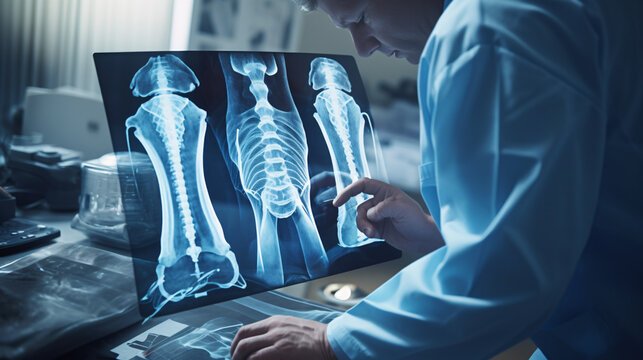
Spine Hospital in Keshav Nagar, Pune – Specialized Spine Care
Keshav Nagar, a developing residential locality near Mundhwa and Magarpatta in Pune, has experienced rapid urban growth. Because many residents commute to nearby IT parks and commercial hubs, spine-related disorders are becoming increasingly common. Therefore, access to a specialized Spine Hospital in Keshav Nagar, Pune is essential for early diagnosis, structured management, and long-term spinal stability.
As sedentary work patterns increase, the risk of chronic neck and lower back pain rises accordingly.
Why Spine Disorders Are Increasing in Keshav Nagar
Several contributing factors are common among residents:
- Prolonged sitting during IT and corporate jobs
- Work-from-home setups with poor ergonomics
- Long commuting hours
- Limited structured physical activity
- Weak core muscles
- Weight-related spinal stress
Over time, these factors may lead to disc degeneration, nerve compression, and chronic musculoskeletal pain.
Common Spine Conditions Treated
Spine hospitals serving Keshav Nagar typically manage:
- Chronic lower back pain
- Cervical spondylosis
- Lumbar disc herniation (slip disc)
- Sciatica
- Spinal canal stenosis
- Degenerative disc disease
- Postural spine disorders
- Spine trauma
- Osteoporotic compression fractures
Each patient undergoes individualized evaluation to determine the appropriate treatment plan.
Symptoms That Require Immediate Evaluation
Consult a spine specialist if you experience:
- Back or neck pain lasting more than two weeks
- Radiating pain into arms or legs
- Tingling or numbness
- Muscle weakness
- Difficulty walking or prolonged standing
- Pain affecting sleep
Sudden bladder or bowel dysfunction requires emergency medical attention.
Diagnostic Evaluation
A structured spine assessment includes:
- Detailed medical and occupational history
- Physical and neurological examination
- Digital X-rays
- MRI for disc and nerve evaluation
- CT scan when detailed bone assessment is required
- Bone density testing for elderly patients
MRI remains the most reliable modality for identifying disc prolapse and nerve compression.
Non-Surgical Treatment Options
Most spine conditions improve with conservative management:
- Anti-inflammatory medications
- Muscle relaxants
- Supervised physiotherapy
- Core strengthening exercises
- Posture correction programs
- Ergonomic workplace adjustments
Early physiotherapy significantly reduces the need for surgical intervention.
Interventional Pain Management
If conservative treatment is insufficient, minimally invasive procedures may be recommended:
- Epidural steroid injections
- Facet joint injections
- Selective nerve root blocks
These procedures target inflammation and provide focused symptom relief.
Minimally Invasive Spine Surgery
Surgical intervention is considered when:
- Conservative therapy fails after adequate duration
- Progressive neurological weakness develops
- Severe nerve compression is confirmed
- Spinal instability is present
Modern minimally invasive techniques reduce tissue trauma, shorten hospital stay, and promote faster recovery.
Preventive Spine Care for Keshav Nagar Residents
Preventive strategies include:
- Maintaining proper sitting posture
- Taking regular movement breaks
- Strengthening core muscles
- Avoiding improper lifting
- Maintaining healthy body weight
Consistency in preventive care significantly lowers recurrence risk.
Rehabilitation and Long-Term Recovery
Effective recovery involves:
- Core stabilization
- Flexibility enhancement
- Functional strengthening
- Gradual return to work and daily activities
Regular follow-up ensures sustained spinal health and early detection of recurrence.
Conclusion
Follow us on Social Media