
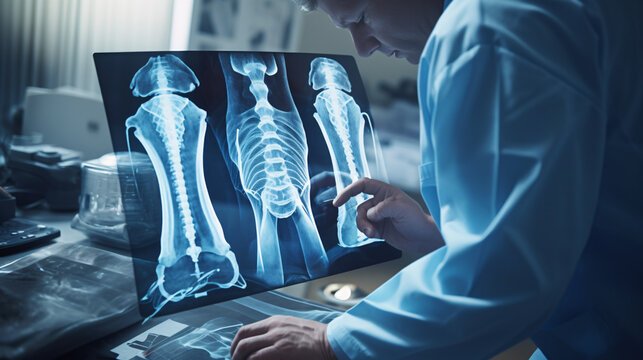
Spine Hospital in Tathawade, Pune – Focused Spine Treatment
Tathawade, a rapidly developing educational and residential hub in Pune, is located close to Wakad and Hinjewadi IT Park. Because the area houses students, IT professionals, and working families, spine-related disorders are increasingly common. Therefore, access to a specialized Spine Hospital in Tathawade, Pune is essential for early diagnosis, structured treatment, and long-term spinal health.
With growing urbanization, sedentary habits and prolonged screen time are major contributors to back and neck pain.
Why Spine Problems Are Increasing in Tathawade
Several factors are responsible for rising spine complaints:
- Long hours of sitting during IT work
- Study-related prolonged sitting among students
- Poor posture during laptop and mobile usage
- Lack of structured exercise
- Weak core muscle strength
- Weight-related spinal stress
If not addressed early, these factors may lead to disc degeneration and nerve compression.
Common Spine Conditions Treated
Spine hospitals serving Tathawade typically manage:
- Chronic lower back pain
- Cervical spondylosis
- Lumbar disc herniation (slip disc)
- Sciatica
- Spinal canal stenosis
- Degenerative disc disease
- Postural spine disorders
- Spine injuries
Each case is evaluated individually to determine the most appropriate treatment pathway.
Symptoms That Require Specialist Consultation
Consult a spine specialist if you experience:
- Persistent back or neck pain for more than two weeks
- Radiating pain into arms or legs
- Numbness or tingling sensations
- Muscle weakness
- Difficulty standing or walking
- Pain that disturbs sleep
Sudden bladder or bowel dysfunction requires urgent emergency care.
Diagnostic Evaluation
A structured spine assessment includes:
- Detailed medical and lifestyle history
- Physical and neurological examination
- Digital X-rays
- MRI for disc and nerve assessment
- CT scan when bone evaluation is necessary
- Bone density testing in elderly patients
MRI remains the most reliable tool for identifying disc prolapse and nerve compression.
Non-Surgical Management
Most spine disorders improve with conservative treatment:
- Anti-inflammatory medications
- Muscle relaxants
- Supervised physiotherapy
- Core strengthening exercises
- Posture correction programs
- Ergonomic modifications
Early physiotherapy significantly reduces the need for surgery.
Interventional Pain Procedures
If conservative treatment does not provide adequate relief, minimally invasive procedures may be advised:
- Epidural steroid injections
- Facet joint injections
- Selective nerve root blocks
These procedures target inflammation and provide symptom relief without major surgical intervention.
Minimally Invasive Spine Surgery
Surgical treatment is considered when:
- Conservative therapy fails
- Progressive neurological weakness develops
- Severe nerve compression is confirmed
- Spinal instability is present
Modern minimally invasive techniques reduce muscle damage, shorten hospital stay, and accelerate recovery.
Preventive Spine Care for Tathawade Residents
Preventive measures include:
- Maintaining proper sitting posture
- Taking movement breaks every 30–45 minutes
- Performing regular core strengthening exercises
- Avoiding improper lifting
- Maintaining a healthy body weight
Consistency in preventive care reduces recurrence risk.
Rehabilitation and Long-Term Recovery
Recovery involves structured rehabilitation focusing on:
- Core stabilization
- Flexibility improvement
- Functional strengthening
- Gradual return to academic or professional activities
Regular follow-up ensures sustained spinal health.
Conclusion
Follow us on Social Media