
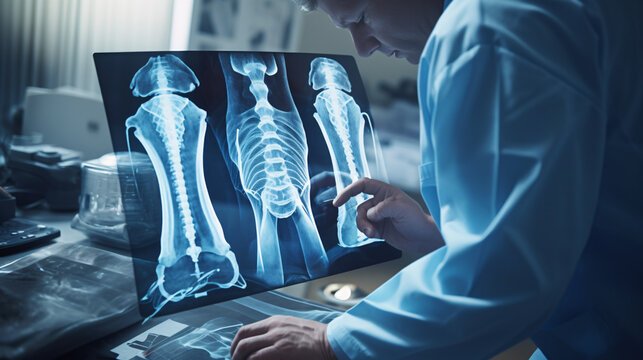
Spine Hospital in Pimpri, Pune – Comprehensive Spine Care
Pimpri, a major industrial and residential hub within the Pune metropolitan region, falls under the jurisdiction of Pimpri-Chinchwad Municipal Corporation. Due to its large working population, manufacturing units, and growing corporate sector, spine-related disorders are increasingly common. Therefore, accessing a specialized Spine Hospital in Pimpri, Pune is essential for timely diagnosis, structured treatment, and long-term spinal stability.
Both industrial labor and prolonged desk-based work contribute significantly to musculoskeletal strain in this region.
Why Spine Problems Are Rising in Pimpri
Several occupational and lifestyle factors increase spine risk:
- Physically demanding factory work
- Repetitive bending and lifting
- Long hours of standing
- Sedentary office jobs
- Poor ergonomic practices
- Limited physical conditioning
Over time, these stressors may lead to disc degeneration, nerve compression, and chronic back pain.
Common Spine Conditions Treated
Spine hospitals in Pimpri typically manage:
- Chronic lower back pain
- Cervical spondylosis
- Lumbar disc herniation (slip disc)
- Sciatica
- Spinal canal stenosis
- Degenerative disc disease
- Workplace-related spine injuries
- Spine fractures
- Osteoporotic compression fractures
Treatment strategies are individualized based on clinical findings and imaging results.
Warning Signs That Require Specialist Consultation
Seek medical evaluation if you experience:
- Back or neck pain lasting more than two weeks
- Pain radiating into arms or legs
- Tingling or numbness
- Muscle weakness
- Difficulty walking or prolonged standing
- Pain interfering with sleep
Loss of bladder or bowel control is a medical emergency and requires immediate attention.
Diagnostic Evaluation
A structured spine assessment generally includes:
- Detailed occupational and medical history
- Physical and neurological examination
- Digital X-rays
- MRI for disc and nerve evaluation
- CT scan for bone assessment
- Bone density testing in elderly individuals
MRI remains the most reliable tool for identifying nerve compression and disc pathology.
Non-Surgical Treatment Options
Most spine disorders improve with conservative management:
- Anti-inflammatory medications
- Muscle relaxants
- Supervised physiotherapy
- Core strengthening exercises
- Posture correction training
- Workplace ergonomic adjustments
Early intervention significantly reduces the likelihood of surgical intervention.
Interventional Pain Procedures
If conservative care fails, minimally invasive injections may be recommended:
- Epidural steroid injections
- Facet joint injections
- Selective nerve root blocks
These procedures reduce inflammation and provide targeted pain relief without major surgery.
Minimally Invasive Spine Surgery
Surgical treatment is considered when:
- Conservative therapy fails after adequate duration
- Progressive neurological weakness develops
- Severe nerve compression is confirmed
- Spinal instability is present
Modern minimally invasive techniques minimize tissue damage, shorten hospital stays, and accelerate recovery.
Preventive Spine Care for Pimpri Residents
Preventive strategies include:
- Using proper lifting techniques
- Taking movement breaks during long shifts
- Strengthening core muscles regularly
- Maintaining healthy body weight
- Ensuring ergonomic workstation setup
Consistency in preventive care reduces recurrence and long-term complications.
Spine Health for Industrial Workers
Given Pimpri’s strong industrial presence, occupational spine injuries are common. Therefore, periodic screening, safety training, and early reporting of symptoms are essential to prevent chronic disability.
Rehabilitation and Long-Term Recovery
Rehabilitation focuses on:
- Core stabilization
- Flexibility enhancement
- Functional strengthening
- Gradual return to work activities
Regular follow-up ensures sustained recovery and prevents relapse.
Conclusion
Follow us on Social Media