
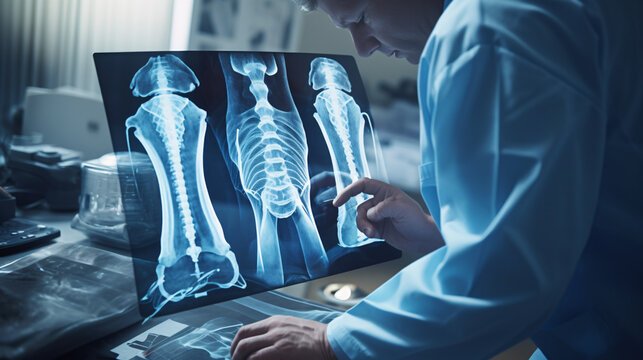
Spine Hospital in Vishrantwadi, Pune – Specialized Spine Care
Vishrantwadi, a residential and commercial neighborhood in Pune, is known for its urban population, military establishments, and proximity to IT hubs. The combination of prolonged sitting, physically demanding jobs, and limited physical activity has led to an increase in spine-related issues. Therefore, consulting a specialized Spine Hospital in Vishrantwadi, Pune is essential for timely diagnosis, effective treatment, and long-term spinal health.
Residents often experience chronic back pain, neck stiffness, and nerve-related discomfort. Early consultation prevents complications, supports improved mobility, and enhances overall quality of life.
Why Spine Disorders Are Increasing in Vishrantwadi
Extended sitting, improper posture, and minimal exercise contribute to cervical and lumbar spine strain. Moreover, individuals involved in physically demanding work or recreational sports without proper guidance may sustain spine injuries.
Weak core and back muscles further increase the risk of chronic conditions, including disc herniation, sciatica, and postural deformities. Early evaluation at a spine hospital ensures timely management and prevention of progression.
Common Spine Conditions Treated
Spine hospitals in Vishrantwadi provide care for:
- Chronic lower back pain
- Cervical spondylosis
- Lumbar disc herniation (slip disc)
- Sciatica
- Spinal canal stenosis
- Degenerative disc disease
- Postural syndromes
- Spine fractures
- Osteoporotic vertebral compression fractures
Individualized treatment plans ensure effective recovery and long-term spine health.
Symptoms Requiring Specialist Care
Consult a spine specialist if you notice:
- Persistent back or neck pain lasting more than two weeks
- Pain radiating into arms or legs
- Tingling, numbness, or burning sensations
- Muscle weakness
- Difficulty walking or standing for prolonged periods
- Pain affecting sleep
Sudden bladder or bowel dysfunction is a medical emergency requiring immediate care.
Diagnostic Approach
Spine hospitals in Vishrantwadi follow a systematic diagnostic protocol:
- Detailed medical and occupational history
- Physical and neurological examination
- Digital X-rays
- MRI scans for disc and nerve evaluation
- CT scans for bony structures
- Bone density testing for elderly patients
MRI is particularly important for detecting disc pathology, nerve compression, and soft tissue injuries.
Non-Surgical Treatments
Conservative care is effective for most spine conditions:
- Anti-inflammatory medications
- Muscle relaxants
- Supervised physiotherapy
- Core strengthening and flexibility exercises
- Posture correction programs
- Ergonomic adjustments at home and workplace
Early intervention alleviates pain, restores mobility, and prevents recurrence.
Interventional Pain Management
When conservative therapy is insufficient, minimally invasive procedures may be used:
- Epidural steroid injections
- Facet joint injections
- Selective nerve root blocks
These treatments target inflamed areas directly, providing relief without open surgery.
Minimally Invasive Spine Surgery
Surgery is indicated when:
- Conservative therapy fails
- Neurological deficits progress
- Severe disc herniation compresses nerves
- Spinal instability is confirmed
Minimally invasive procedures involve smaller incisions, reduce tissue trauma, shorten hospital stays, and enable faster recovery.
Preventive Spine Care for Vishrantwadi Residents
Maintaining spinal health requires lifestyle adjustments:
- Maintain proper sitting and standing posture
- Take regular stretching breaks every 30–45 minutes
- Strengthen core and back muscles consistently
- Use correct lifting techniques
- Maintain a healthy body weight
Regular exercise and ergonomic awareness help prevent chronic spinal problems.
Spine Care for Active Adults
Many residents participate in sports, gym workouts, and outdoor activities. Recommendations include:
- Warm up before exercise or sports
- Avoid sudden twisting or heavy lifting
- Use supportive footwear and equipment
- Schedule periodic spine check-ups
Early evaluation prevents minor injuries from becoming chronic issues.
Geriatric Spine Health
Older adults are more prone to degenerative spine disorders. Recommendations include:
- Regular bone density screening
- Adequate calcium and vitamin D intake
- Fall-prevention strategies
Timely care preserves mobility and reduces fracture risk.
Rehabilitation and Long-Term Recovery
Recovery extends beyond initial treatment. Structured rehabilitation programs focus on core strength, flexibility, and posture correction. Regular follow-ups monitor progress and prevent recurrence, ensuring long-term spine health.
Frequently Asked Questions (FAQs)
1. When should I visit a spine hospital in Vishrantwadi?
Persistent back or neck pain lasting more than two weeks or radiating to limbs requires specialist evaluation.
2. Can slip disc heal without surgery?
Yes, many cases respond to physiotherapy and medications. Surgery is reserved for persistent or severe cases.
3. How long is recovery after minimally invasive spine surgery?
Recovery varies, but most patients resume light activities within a few weeks.
4. Can sedentary workers prevent spine disorders?
Yes, ergonomic adjustments, posture correction, and core exercises significantly reduce risk.
5. Does preventive care reduce recurrence of back pain?
Yes, consistent exercise, stretching, and posture correction help prevent recurrence.
Conclusion
Follow us on Social Media