
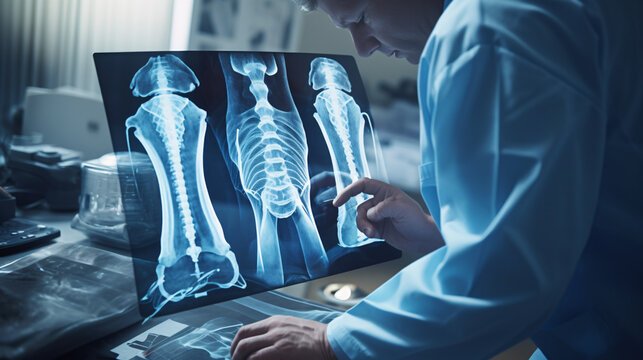
Spine Hospital in Sus, Pune – Advanced Care for Back and Neck Disorders
Sus is an emerging residential and commercial locality in western Pune. With rapid urbanization and increasing professional activity, residents are increasingly experiencing spine-related issues. Therefore, seeking a specialized Spine Hospital in Sus, Pune is vital for early diagnosis, effective treatment, and long-term spinal health.
From young professionals to elderly residents, lifestyle and occupational factors contribute to chronic back pain, neck stiffness, and nerve-related symptoms. Timely intervention prevents long-term complications and improves quality of life.
Why Spine Disorders Are Increasing in Sus
Extended hours of desk work, prolonged sitting during commuting, and lack of proper exercise have led to postural strain. Consequently, cervical and lumbar spine problems are common.
Additionally, residents engaging in recreational sports or high-intensity workouts may sustain spine injuries without proper guidance. Weak core muscles further exacerbate these conditions. Therefore, early evaluation at a spine hospital can detect underlying problems before they worsen.
Common Spine Conditions Treated
A spine hospital in Sus manages a wide range of disorders:
- Chronic lower back pain
- Cervical spondylosis
- Lumbar disc herniation (slip disc)
- Sciatica
- Spinal canal stenosis
- Degenerative disc disease
- Postural syndromes
- Spine fractures
- Osteoporotic vertebral compression fractures
Since Sus accommodates both young working adults and senior citizens, treatment plans are individualized to ensure optimal outcomes.
Symptoms Indicating Specialist Care
Consult a spine specialist if you experience:
- Persistent back or neck pain lasting more than two weeks
- Pain radiating into arms or legs
- Tingling, numbness, or burning sensations
- Muscle weakness
- Difficulty walking or standing for long periods
- Pain affecting sleep
Sudden loss of bladder or bowel control requires immediate medical attention.
Diagnostic Approach
Accurate diagnosis is essential for effective spine treatment. Spine hospitals in Sus follow a systematic approach:
- Detailed medical and occupational history
- Physical and neurological examination
- Digital X-rays
- MRI scans for disc and nerve assessment
- CT scans for structural evaluation
- Bone density testing for elderly patients
MRI imaging is critical for assessing nerve compression, disc pathology, and soft tissue abnormalities.
Non-Surgical Spine Treatments
Most spine conditions respond well to conservative care. Typical treatments include:
- Anti-inflammatory medications
- Muscle relaxants
- Supervised physiotherapy and rehabilitation
- Core strengthening and flexibility exercises
- Posture correction programs
- Ergonomic adjustments at home and office
Structured rehabilitation enhances mobility, reduces pain, and prevents recurrence.
Interventional Pain Management
When conservative therapy is insufficient, minimally invasive interventions may be considered:
- Epidural steroid injections
- Facet joint injections
- Selective nerve root blocks
These procedures target inflammation directly, providing pain relief without open surgery.
Minimally Invasive Spine Surgery
Surgery is advised when:
- Conservative treatments fail
- Progressive neurological deficits appear
- Severe disc herniation compresses nerves
- Spinal instability is identified
Minimally invasive procedures involve smaller incisions, less tissue trauma, shorter hospital stays, and faster recovery. Patients can resume daily activities sooner than with traditional open surgery.
Preventive Spine Care for Sus Residents
Lifestyle changes play a crucial role in maintaining spinal health:
- Maintain proper sitting and standing posture
- Take regular stretching breaks every 30–45 minutes
- Strengthen core muscles consistently
- Follow correct lifting techniques
- Maintain a healthy body weight
Regular physical activity and ergonomic awareness help prevent long-term spine degeneration.
Spine Care for Active Residents
Many residents of Sus participate in sports, jogging, and gym workouts. Therefore:
- Warm up properly before exercise
- Avoid sudden twisting or heavy lifting
- Use supportive footwear and equipment
- Schedule periodic spine check-ups
Early evaluation prevents minor injuries from progressing into chronic conditions.
Geriatric Spine Health
Older adults are more susceptible to degenerative spine disorders. Therefore:
- Bone density checks are recommended
- Adequate calcium and vitamin D intake is essential
- Implement fall-prevention strategies
Timely intervention preserves mobility and reduces fracture risk.
Rehabilitation and Long-Term Recovery
Recovery extends beyond immediate treatment. Structured rehabilitation programs focus on flexibility, core strength, and posture correction. Regular follow-ups monitor progress and prevent recurrence, ensuring sustainable spine health.
Frequently Asked Questions (FAQs)
1. When should I visit a spine hospital in Sus?
Persistent pain beyond two weeks or radiating pain to limbs requires specialist evaluation.
2. Can slip disc heal without surgery?
Yes, many cases respond well to physiotherapy and medications. Surgery is reserved for persistent or severe conditions.
3. How long is recovery after minimally invasive spine surgery?
Recovery varies by procedure, but most patients resume light activities within a few weeks.
4. Can sedentary workers prevent spine disorders?
Yes, ergonomic adjustments, posture correction, and core exercises significantly reduce risk.
5. Does preventive care reduce recurrence of back pain?
Yes. Regular exercise, flexibility training, and proper posture prevent recurrence.
Conclusion
Follow us on Social Media