
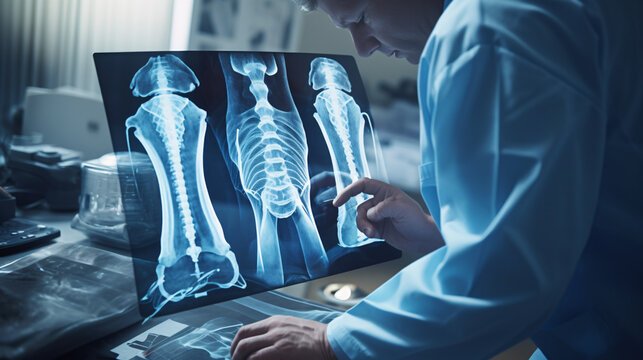
If you are looking for a dependable Spine Hospital in Viman Nagar, Pune, timely evaluation and structured treatment are essential. Located close to Pune International Airport and major commercial complexes, Viman Nagar has a rapidly growing population of IT professionals, business travelers, and families. Consequently, lifestyle-related spine disorders are increasingly common in this region.
Why Spine Problems Are Increasing in Viman Nagar
First, long working hours in corporate offices contribute to prolonged sitting. As a result, lumbar strain and cervical stiffness frequently develop. Moreover, frequent air travel and irregular schedules further aggravate postural imbalance.
In addition, apartment-based living often reduces daily physical activity. Therefore, muscle weakness and reduced spinal flexibility become long-term risk factors. Because early symptoms are often ignored, minor discomfort can gradually progress into chronic pain.
Common Spine Conditions Treated
A specialized spine hospital in Viman Nagar typically treats:
- Chronic lower back pain
- Cervical spondylosis
- Lumbar spondylosis
- Slip disc (herniated disc)
- Sciatica with leg pain
- Spinal stenosis
- Degenerative disc disease
- Postural spine strain
- Osteoporotic vertebral fractures
Since Viman Nagar includes both young professionals and senior residents, treatment plans vary according to age, activity level, and severity.
Symptoms That Require Medical Attention
You should not delay consultation if you experience:
- Back pain lasting more than two weeks
- Neck pain radiating into arms
- Tingling or numbness in limbs
- Muscle weakness
- Pain worsening at night
- Difficulty standing or walking
Furthermore, sudden bladder or bowel control issues demand immediate emergency care.
Diagnostic Approach in a Spine Hospital
Accurate diagnosis determines effective treatment. Therefore, spine specialists follow a systematic protocol:
- Detailed medical history
- Physical and neurological examination
- Digital X-ray
- MRI scan for disc and nerve assessment
- CT scan when structural evaluation is required
- Bone density test for elderly patients
Because MRI provides detailed imaging of soft tissues, it remains critical for identifying nerve compression and disc herniation.
Non-Surgical Spine Treatment Options
In most early and moderate cases, conservative treatment proves effective. This may include:
- Anti-inflammatory medications
- Muscle relaxants
- Structured physiotherapy
- Core strengthening exercises
- Postural correction programs
- Ergonomic guidance for office setups
Additionally, supervised rehabilitation improves recovery while reducing recurrence risk.
Interventional Pain Management
When pain persists despite therapy, minimally invasive procedures may be recommended. These include:
- Epidural steroid injections
- Facet joint injections
- Nerve root blocks
Such targeted interventions reduce inflammation and relieve nerve irritation. Consequently, patients often experience significant pain reduction without open surgery.
Minimally Invasive Spine Surgery
Surgery becomes necessary when:
- Conservative treatment fails
- Progressive neurological weakness develops
- Severe disc prolapse compresses nerves
- Spinal instability is diagnosed
Compared to traditional open surgery, minimally invasive spine procedures involve smaller incisions, reduced tissue damage, shorter hospital stays, and faster recovery. Therefore, many patients resume work within weeks.
Preventive Spine Care for Viman Nagar Residents
Because lifestyle contributes significantly to spinal disorders, prevention remains crucial. Consider the following:
- Maintain neutral spine posture while sitting
- Use ergonomic chairs with lumbar support
- Take standing breaks every 30–45 minutes
- Perform daily stretching routines
- Strengthen core muscles
- Avoid improper lifting techniques
Moreover, consistent physical activity helps maintain spinal alignment and flexibility.
Spine Care for IT Professionals
Since Viman Nagar houses multiple tech offices, IT professionals face specific risks. Therefore:
- Monitor screen height at eye level
- Avoid prolonged forward neck posture
- Use adjustable desks when possible
- Practice neck mobility exercises daily
Early ergonomic correction prevents chronic cervical problems.
Spine Health for Frequent Travelers
Frequent flights and long car rides increase lower back stiffness. Consequently:
- Use lumbar cushions during travel
- Stand and stretch during long journeys
- Maintain hydration
- Perform light stretching after travel
These simple strategies significantly reduce strain.
Geriatric Spine Care
Older adults in Viman Nagar often experience degenerative spine conditions. Hence:
- Regular bone density checks are advisable
- Fall prevention strategies should be implemented
- Early treatment of osteoporosis reduces fracture risk
Timely management prevents mobility limitations.
Red Flag Symptoms
Seek urgent evaluation if you notice:
- Sudden severe back pain after injury
- Progressive limb weakness
- Loss of bladder or bowel control
- Fever with spinal pain
- Inability to walk
Immediate medical assessment prevents permanent complications.
Rehabilitation and Long-Term Management
Spine recovery requires structured follow-up. Therefore:
- Continue prescribed physiotherapy
- Gradually resume daily activities
- Maintain exercise discipline
- Attend regular medical reviews
Consistent rehabilitation ensures sustainable improvement.
Frequently Asked Questions (FAQs)
1. When should I visit a spine hospital in Viman Nagar?
If pain persists beyond two weeks or radiates to arms or legs, specialist consultation is recommended.
2. Can a slip disc heal without surgery?
Yes. Many cases improve with medication and physiotherapy. Surgery is considered only if symptoms persist or worsen.
3. How long does spine surgery recovery take?
Recovery varies; however, minimally invasive surgery often allows faster return to routine activities.
4. Are office workers at high risk of spine problems?
Yes. Prolonged sitting and poor ergonomics significantly increase risk.
5. Can lifestyle changes prevent spinal degeneration?
While age-related changes cannot be completely stopped, proper posture, exercise, and early treatment significantly reduce progression.
Conclusion
Follow us on Social Media