
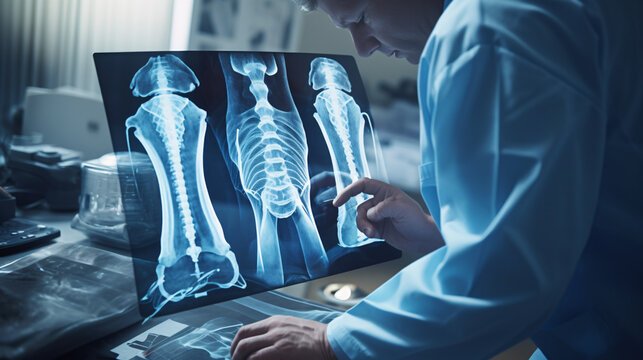
Deccan Gymkhana is one of Pune’s most prominent and well-developed localities, known for its educational institutions, residential colonies, fitness centers, and commercial establishments. While the area promotes an active lifestyle, residents still experience a significant number of spine-related problems due to prolonged sitting, sedentary office work, improper exercise techniques, and age-related degeneration. Consulting a Spine Hospital in Deccan Gymkhana, Pune ensures structured evaluation, evidence-based treatment, and long-term spinal health management.
Spinal disorders typically develop over time. Poor posture, extended screen time, improper gym workouts, repetitive strain, and degenerative changes can progressively damage discs, joints, and nerves. Early intervention prevents chronic pain, nerve compression, and functional disability.
Common Spine Conditions in Deccan Gymkhana
Residents frequently present with:
- Chronic lower back pain – Often linked to desk jobs or improper lifting during workouts.
- Cervical spondylosis – Neck stiffness and radiating shoulder pain due to prolonged screen exposure.
- Lumbar spondylosis – Degenerative lower spine changes causing persistent stiffness.
- Slip disc (disc herniation) – Disc protrusion compressing nerve roots.
- Sciatica – Radiating pain extending from lower back to the leg.
- Spinal canal stenosis – Narrowing of the canal causing numbness or leg weakness.
- Sports-related spine injuries – Muscle strain or ligament sprain due to improper training techniques.
- Osteoporotic fractures – Especially in elderly residents.
Young professionals and students often experience postural neck pain, while active gym-goers may develop lumbar strain if exercise form is incorrect.
Symptoms That Need Medical Attention
Consult a spine hospital if you experience:
- Persistent back or neck pain beyond two weeks
- Pain radiating to arms or legs
- Tingling or numbness
- Muscle weakness
- Difficulty walking or maintaining balance
- Sleep disturbance due to pain
- Reduced spinal flexibility
Emergency care is required if symptoms include sudden limb weakness, bladder or bowel dysfunction, or severe pain following trauma.
Diagnostic Evaluation
Accurate diagnosis is critical for appropriate treatment. A structured approach includes:
- Detailed medical history – Including occupation, lifestyle, and exercise habits.
- Physical examination – Posture, spinal alignment, and range of motion assessment.
- Neurological testing – Reflexes, muscle strength, and sensation analysis.
- Imaging studies – X-ray for alignment; MRI for disc and nerve pathology; CT when needed.
- Bone density testing – For elderly or at-risk patients.
MRI remains the gold standard for detecting nerve compression and disc abnormalities.
Treatment Options at a Spine Hospital
1. Conservative (Non-Surgical) Management
Most spinal conditions respond to non-surgical care, including:
- Anti-inflammatory and pain-relief medications
- Muscle relaxants
- Structured physiotherapy
- Core stabilization exercises
- Postural correction training
- Ergonomic adjustments
Patient adherence to rehabilitation protocols significantly improves outcomes.
2. Interventional Pain Procedures
When conservative measures fail, targeted procedures may be recommended:
- Epidural steroid injections
- Facet joint injections
- Nerve root blocks
These minimally invasive interventions reduce inflammation and provide focused relief.
3. Minimally Invasive Spine Surgery
Surgery is considered when:
- Pain persists despite adequate conservative therapy
- Progressive neurological deficits are present
- Severe disc herniation or spinal instability exists
Benefits include smaller incisions, minimal muscle damage, reduced blood loss, shorter hospitalization, and quicker recovery.
Preventive Spine Care in Deccan Gymkhana
Given the area’s active population, prevention is critical:
- Maintain correct posture during desk work
- Use ergonomic furniture
- Perform gym exercises under supervision
- Warm up before workouts
- Strengthen core muscles regularly
- Avoid sudden heavy lifting
Preventive strategies reduce injury risk and long-term degenerative changes.
Spine Health for Elderly Residents
Elderly individuals are more susceptible to degenerative spine disorders and osteoporosis. Preventive measures include:
- Regular bone density assessments
- Calcium and vitamin D supplementation
- Fall-prevention exercises
- Prompt medical evaluation of new-onset back pain
Early intervention reduces fracture risk and preserves mobility.
Red Flag Signs
Immediate medical consultation is necessary if there is:
- Loss of bladder or bowel control
- Rapidly progressing limb weakness
- Severe trauma-related back pain
- Fever associated with spinal pain
- Sudden inability to walk
Timely intervention prevents permanent neurological damage.
Rehabilitation and Long-Term Management
Long-term spinal health requires structured rehabilitation:
- Supervised physiotherapy sessions
- Gradual return to physical activity
- Core and flexibility training
- Lifestyle and ergonomic modification
- Periodic follow-up assessments
Active patient participation ensures sustained improvement and prevents recurrence.
Frequently Asked Questions (FAQs)
1. Are gym-related spine injuries common in Deccan Gymkhana?
Yes. Improper technique and excessive weight lifting can lead to lumbar strain and disc injuries.
2. When should I consult a spine hospital?
If pain persists for more than two weeks, radiates to limbs, or causes numbness or weakness.
3. Is surgery necessary for all slip disc cases?
No. Most cases improve with conservative management. Surgery is reserved for severe or progressive cases.
4. How long does recovery take after minimally invasive spine surgery?
Many patients resume light activity within weeks, depending on the procedure and overall health.
5. Can exercise prevent spine problems?
Yes. Regular core strengthening, proper posture, and supervised workouts significantly reduce risk.
Conclusion
Follow us on Social Media