
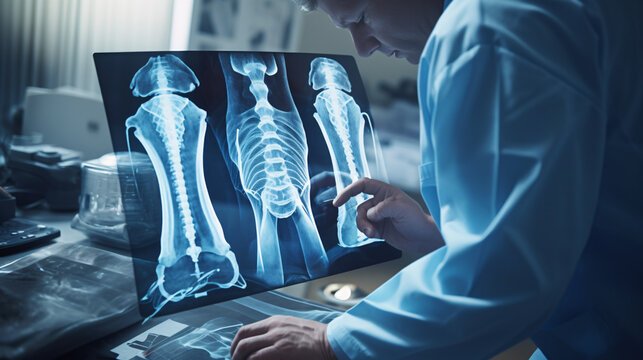
Mangalwar Peth is one of Pune’s established central localities, characterized by mixed residential housing, small businesses, workshops, and commercial establishments. The physical demands of daily work, combined with prolonged sitting, commuting, and aging-related degeneration, contribute to a steady rise in spine-related complaints. Consulting a Spine Hospital in Mangalwar Peth, Pune is essential for accurate diagnosis, structured treatment, and long-term spinal health management.
Spinal disorders rarely occur suddenly. Most develop gradually due to poor posture, repetitive strain, improper lifting, obesity, sedentary habits, or age-related wear and tear. Early intervention prevents progression to chronic pain, nerve compression, and permanent mobility limitations.
Common Spine Conditions in Mangalwar Peth
Residents commonly present with the following conditions:
- Chronic lower back pain – Frequently linked to prolonged standing, lifting, or desk work.
- Cervical spondylosis – Neck stiffness and radiating shoulder pain due to degeneration or poor posture.
- Lumbar spondylosis – Degenerative lower spine changes causing persistent stiffness.
- Slip disc (disc herniation) – Disc displacement compressing spinal nerves.
- Sciatica – Sharp radiating pain from lower back to leg.
- Spinal canal stenosis – Narrowing of the spinal canal leading to numbness and weakness.
- Degenerative disc disease – Age-related disc thinning and chronic discomfort.
- Osteoporotic vertebral fractures – Fragility fractures in elderly individuals.
Manual laborers and shop workers often develop lumbar strain, while office employees frequently experience cervical and postural spine issues.
Symptoms That Require Medical Evaluation
Consult a spine hospital if you experience:
- Back or neck pain lasting more than two weeks
- Pain radiating to arms or legs
- Tingling, numbness, or burning sensations
- Limb weakness
- Difficulty standing or walking
- Pain disturbing sleep
- Restricted spinal movement
Urgent consultation is necessary if there is progressive weakness, loss of bladder/bowel control, or severe pain following trauma.
Diagnostic Approach
A structured evaluation ensures precise treatment planning:
- Detailed history – Onset, duration, occupation-related strain, and associated symptoms.
- Physical examination – Posture assessment and spinal mobility evaluation.
- Neurological assessment – Testing reflexes, strength, and sensation.
- Imaging studies – X-ray for structural changes; MRI for disc and nerve evaluation; CT if required.
- Bone density testing – For elderly or high-risk patients.
MRI is particularly valuable in detecting nerve compression and disc pathology.
Treatment Options at a Spine Hospital
1. Conservative (Non-Surgical) Treatment
Most spine conditions improve with non-surgical management:
- Anti-inflammatory medications
- Muscle relaxants
- Structured physiotherapy
- Core strengthening exercises
- Posture correction
- Lifestyle and ergonomic modifications
Adherence to rehabilitation protocols is critical for long-term improvement.
2. Interventional Pain Procedures
When conservative therapy is insufficient, targeted interventions may be recommended:
- Epidural steroid injections
- Facet joint injections
- Selective nerve root blocks
These minimally invasive procedures reduce inflammation and provide localized relief.
3. Minimally Invasive Spine Surgery
Surgical treatment is considered when:
- Pain persists despite adequate conservative therapy
- Neurological deficits progress
- Severe spinal instability or fracture is present
Advantages include smaller incisions, reduced tissue damage, shorter hospital stay, and faster recovery.
Occupational Risk and Prevention
Given the commercial activity in Mangalwar Peth, preventive strategies are essential:
- Use proper lifting techniques
- Avoid prolonged static posture
- Take scheduled movement breaks
- Maintain healthy body weight
- Strengthen core muscles regularly
Preventive care reduces recurrence and severity of spinal disorders.
Spine Health in the Elderly
Older adults are particularly vulnerable to degenerative changes and osteoporosis. Preventive steps include:
- Regular bone density screening
- Adequate calcium and vitamin D intake
- Fall-prevention measures
- Early evaluation of persistent back pain
Early treatment minimizes fracture risk and long-term disability.
Red Flag Symptoms
Seek immediate medical attention if you experience:
- Loss of bladder or bowel control
- Sudden severe weakness in legs
- Severe back pain after an accident
- Fever associated with spinal pain
- Rapidly worsening neurological symptoms
Delaying treatment in such cases can result in permanent nerve damage.
Rehabilitation and Long-Term Care
Spinal treatment does not end with pain relief. Long-term management includes:
- Guided physiotherapy
- Gradual return to occupational activities
- Core strengthening and flexibility training
- Postural correction
- Ongoing lifestyle modification
Active participation in rehabilitation ensures sustained improvement and reduces recurrence risk.
Frequently Asked Questions (FAQs)
1. When should I consult a Spine Hospital in Mangalwar Peth?
If pain persists beyond two weeks, radiates to limbs, or causes numbness or weakness.
2. Are physically demanding jobs a risk factor?
Yes. Repetitive lifting and prolonged standing increase the likelihood of lumbar spine injuries.
3. Is surgery always required for a slip disc?
No. Most cases respond to conservative treatment. Surgery is reserved for persistent or severe neurological cases.
4. How long does recovery take after minimally invasive spine surgery?
Recovery varies but many patients resume light activity within a few weeks.
5. Can posture correction reduce recurrence?
Yes. Proper posture and regular strengthening exercises significantly reduce recurrence rates.
Conclusion
Follow us on Social Media