
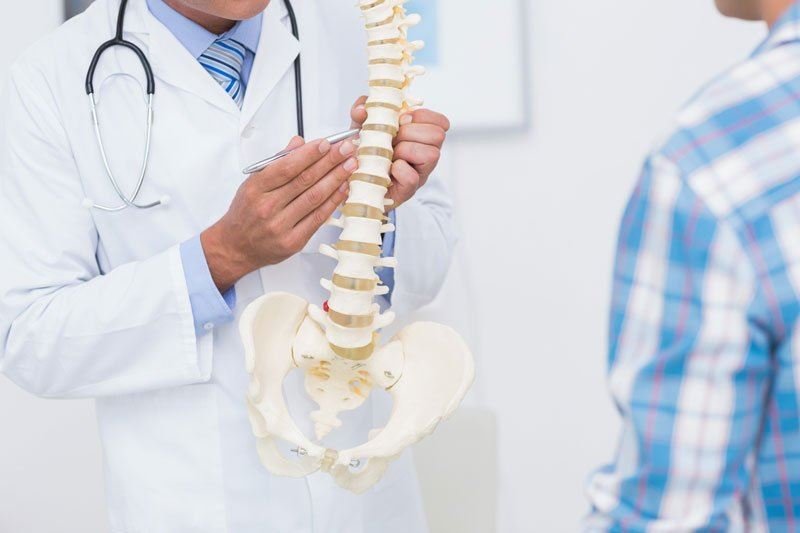
Nigdi is a well-established residential and commercial area in the Pune metropolitan region, known for its proximity to industrial zones, educational institutions, and government offices. The locality is home to working professionals, students, families, and senior citizens, all of whom are prone to varying types of spine-related disorders. Sedentary office work, prolonged sitting, commuting, and age-related degeneration make consulting a spine specialist in Nigdi essential when back or neck pain becomes persistent or disabling.
Spinal disorders typically develop gradually over time. Poor posture, repetitive strain, obesity, improper lifting, and aging contribute to degenerative conditions. Early evaluation prevents chronic pain, nerve damage, and functional limitations.
Common Spine Conditions in Nigdi
Residents commonly report the following spine disorders:
- Chronic lower back pain
- Cervical spondylosis
- Lumbar spondylosis
- Slip disc (disc herniation)
- Sciatica
- Spinal stenosis
- Degenerative disc disease
- Osteoporotic vertebral fractures
Younger adults often suffer from postural spine issues due to prolonged sitting and screen time, whereas elderly residents experience degenerative changes and osteoporotic fractures.
Symptoms That Require Specialist Evaluation
While occasional back discomfort is common, the following symptoms indicate the need for professional assessment:
- Persistent back or neck pain for more than two weeks
- Pain radiating to the arms or legs
- Numbness or tingling sensations
- Weakness in limbs
- Difficulty walking, standing, or performing daily activities
- Pain worsening at night
- Limited spinal mobility
Neurological symptoms, such as progressive weakness or numbness, require urgent attention.
Diagnostic Evaluation
A thorough diagnostic evaluation ensures accurate identification of the underlying problem:
- Detailed clinical history
- Physical and neurological examination
- Imaging studies (Digital X-ray, MRI, CT scan if needed)
- Bone density testing for elderly patients
MRI is particularly useful for detecting disc herniation, nerve compression, and spinal canal narrowing. Correct diagnosis is critical for effective treatment planning.
Treatment Options for Spine Disorders in Nigdi
1. Conservative (Non-Surgical) Management
Most spine conditions respond well to non-surgical treatment. Conservative therapy may include:
- Anti-inflammatory medications
- Muscle relaxants
- Structured physiotherapy
- Core strengthening and posture correction
- Ergonomic modifications at work
- Activity modification
Adherence to rehabilitation protocols is vital for successful recovery.
2. Interventional Pain Management
If symptoms persist despite conservative care, minimally invasive interventions may be recommended:
- Epidural steroid injections
- Facet joint injections
- Selective nerve root blocks
These procedures provide targeted relief of inflammation and pain without major surgery.
3. Minimally Invasive Spine Surgery
Surgery is considered only when conservative management fails or neurological deficits worsen. Modern minimally invasive spine surgery provides:
- Smaller incisions
- Less tissue and muscle damage
- Reduced blood loss
- Shorter hospital stay
- Faster recovery
Common indications include severe disc prolapse, spinal stenosis, and unstable vertebral fractures.
Preventive Spine Care for Nigdi Residents
Lifestyle plays a major role in spinal health. Preventive measures include:
- Maintaining proper posture while sitting or standing
- Using lumbar support during prolonged sitting
- Taking frequent movement breaks
- Exercising regularly
- Strengthening core and back muscles
- Maintaining healthy body weight
- Avoiding improper lifting techniques
Consistent preventive care reduces recurrence and long-term degeneration.
Spine Health in the Elderly
Nigdi has a substantial elderly population who are prone to age-related spine degeneration and osteoporosis. Recommendations include:
- Regular bone density screening
- Adequate calcium and vitamin D intake
- Balance training to prevent falls
- Prompt evaluation of persistent back pain
Early intervention helps prevent fractures and chronic disability.
Red Flag Symptoms
Immediate medical attention is warranted if you experience:
- Loss of bladder or bowel control
- Sudden severe weakness in legs
- Severe back pain after trauma
- Fever associated with spinal pain
- Progressive neurological deficits
Delaying care may lead to permanent nerve damage or mobility issues.
Rehabilitation and Long-Term Care
Treatment does not end with pain relief. Rehabilitation ensures spinal stability and reduces recurrence. A comprehensive plan may include:
- Supervised physiotherapy sessions
- Gradual return to normal activities
- Core strengthening exercises
- Flexibility training
- Lifestyle modification and ergonomic adjustments
Active participation in rehabilitation significantly improves long-term outcomes.
Frequently Asked Questions (FAQs)
1. When should I consult a spine specialist in Nigdi?
If pain persists beyond two weeks, radiates to limbs, or causes numbness or weakness, you should consult a specialist.
2. Is surgery always required for disc herniation?
No. Most disc herniations respond well to conservative treatment. Surgery is only necessary if symptoms persist or neurological deficits worsen.
3. How long does recovery take after minimally invasive spine surgery?
Recovery depends on the procedure and patient condition. Many patients resume light activity within weeks.
4. Can physiotherapy permanently relieve chronic back pain?
Yes. Structured physiotherapy, combined with posture correction and core strengthening, often significantly reduces chronic mechanical pain.
5. How can office workers prevent spine problems?
Maintain proper posture, take frequent breaks, exercise regularly, and avoid prolonged sitting.
Conclusion
Spine disorders in Nigdi are commonly linked to sedentary routines, prolonged commuting, and aging. Early diagnosis and evidence-based treatment significantly improve recovery outcomes. Most conditions respond well to conservative management when addressed promptly. Timely consultation with a qualified spine specialist ensures accurate diagnosis, effective treatment, and long-term spinal health.
Follow us on Social Media