
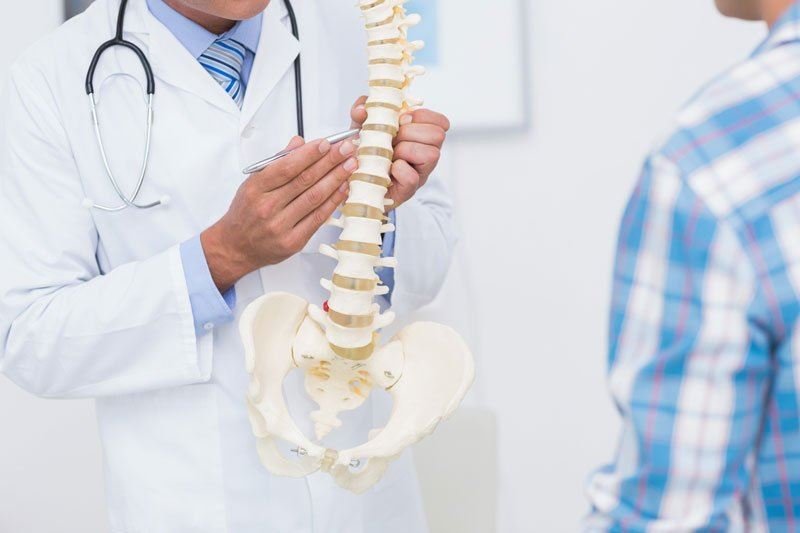
Model Colony is a centrally located and well-established residential area near educational institutions and commercial zones. Because the locality houses senior citizens, working professionals, and students, spine-related disorders vary across age groups. Therefore, consulting a spine specialist in Model Colony becomes essential when back or neck pain interferes with routine activities.
Common Spine Conditions in Model Colony
Given mixed demographics and sedentary lifestyles, the following spine problems are frequently diagnosed:
- Cervical spondylosis
- Lumbar spondylosis
- Slip disc (disc herniation)
- Sciatica
- Spinal stenosis
- Degenerative disc disease
- Mechanical back pain
- Osteoporotic spine fractures
Early detection prevents progression to nerve damage or chronic disability.
Symptoms You Should Not Ignore
You should seek evaluation if you experience:
- Persistent neck or lower back pain
- Pain radiating to arms or legs
- Numbness or tingling sensations
- Weakness in limbs
- Difficulty walking or standing
- Morning stiffness
- Sleep disturbance due to back pain
Symptoms lasting beyond 10–14 days require structured assessment.
Diagnostic Evaluation
A spine specialist follows a systematic protocol:
- Detailed clinical history
- Orthopedic and neurological examination
- Imaging studies (Digital X-ray, MRI, CT scan if required)
- Bone density testing in elderly patients
Accurate diagnosis is critical because treatment varies significantly depending on the underlying pathology.
Treatment Approach
1. Conservative Management
Most spine conditions respond well to non-surgical treatment. Management typically includes:
- Anti-inflammatory medications
- Muscle relaxants
- Structured physiotherapy
- Core strengthening exercises
- Posture correction
- Ergonomic modifications
Consistency in therapy directly impacts long-term recovery.
2. Minimally Invasive Spine Surgery
However, when conservative care fails or neurological deficits appear, surgical intervention may be considered. Modern minimally invasive spine surgery provides:
- Smaller incisions
- Reduced blood loss
- Faster mobilization
- Shorter hospital stay
Procedures commonly address disc prolapse, spinal stenosis, and severe nerve compression.
Preventive Spine Care for Model Colony Residents
Because daily routines often involve prolonged sitting or commuting, preventive measures are necessary:
- Maintain correct sitting posture
- Use lumbar support while working
- Take short movement breaks every 45–60 minutes
- Exercise regularly
- Strengthen abdominal and back muscles
- Maintain optimal body weight
Prevention significantly reduces recurrence rates.
Red Flag Symptoms
Immediate medical attention is required if you notice:
- Loss of bladder or bowel control
- Sudden limb weakness
- Severe pain after trauma
- Fever associated with spinal pain
- Progressive numbness
These signs may indicate serious spinal pathology.
Frequently Asked Questions (FAQs)
1. When should I consult a spine specialist in Model Colony?
If back or neck pain persists beyond two weeks, radiates to limbs, or causes numbness or weakness, specialist evaluation is necessary.
2. Is surgery always required for a slip disc?
No. Most disc herniations improve with conservative management. Surgery is considered only if symptoms persist or neurological deficits worsen.
3. How long does recovery take after spine surgery?
Recovery depends on the procedure and patient condition. Minimally invasive surgeries typically allow faster mobilization compared to traditional open procedures.
4. Can physiotherapy alone cure chronic back pain?
In many cases, yes. Structured physiotherapy combined with posture correction and strengthening exercises significantly improves chronic mechanical back pain.
5. How can I prevent recurring spine problems?
Maintain proper posture, stay physically active, avoid prolonged sitting, strengthen core muscles, and seek early medical evaluation when symptoms arise.
Conclusion
Follow us on Social Media