
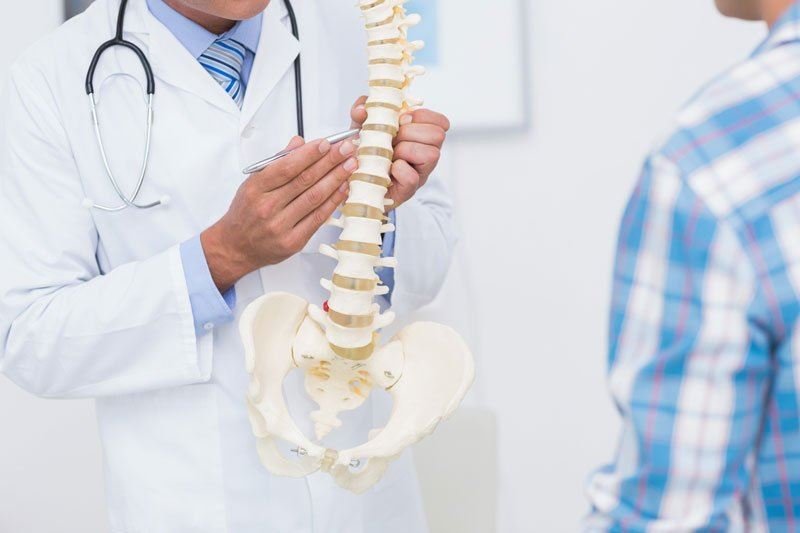
Chinchwad is a prominent residential and industrial locality within the PCMC region of Pune. The area has a mixed population that includes factory workers, corporate professionals, small business owners, and senior citizens. Because of repetitive physical strain, long standing hours, desk-based work, and daily commuting, spine-related disorders are frequently reported.
If you are looking for a Spine Specialist in Chinchwad, Pune, timely evaluation is essential. Early intervention prevents chronic pain progression and neurological complications.
Common Spine Problems in Chinchwad
1. Chronic Lower Back Pain
Mechanical stress from lifting, bending, or prolonged sitting commonly leads to lumbar strain and disc degeneration.
2. Slip Disc (Lumbar or Cervical)
Disc herniation can compress spinal nerves, resulting in radiating pain, numbness, or muscle weakness.
3. Sciatica
Compression of the sciatic nerve causes pain radiating from the lower back down one leg.
4. Cervical Spondylosis
Neck pain, stiffness, and shoulder discomfort are common among office workers and machine operators.
5. Spinal Stenosis
Age-related narrowing of the spinal canal can cause walking difficulty and leg heaviness.
6. Occupational Spine Injuries
Improper lifting techniques and repetitive movements increase the risk of acute and chronic spine injuries.
When Should You Consult a Spine Specialist?
You should seek consultation if you experience:
- Persistent back or neck pain for more than two weeks
- Pain radiating into arms or legs
- Numbness or tingling
- Muscle weakness
- Difficulty walking or maintaining balance
- Sudden bladder or bowel dysfunction (medical emergency)
Early diagnosis reduces the risk of long-term nerve damage.
Diagnostic Evaluation
A spine specialist in Chinchwad follows a structured clinical approach:
- Detailed medical and occupational history
- Physical and neurological examination
- Imaging investigations:
- X-ray for spinal alignment
- MRI for disc and nerve assessment
- CT scan for complex structural abnormalities
Treatment planning depends on correlation between clinical symptoms and imaging findings.
Treatment Options in Chinchwad
Conservative Management
Most spine disorders improve without surgery. Treatment options include:
- Anti-inflammatory medications
- Muscle relaxants
- Supervised physiotherapy
- Core strengthening exercises
- Posture correction programs
- Epidural steroid injections for severe nerve inflammation
Adherence to rehabilitation significantly improves outcomes.
Minimally Invasive Spine Surgery
Surgical treatment may be necessary when conservative therapy fails or neurological deficits progress. Procedures may include:
- Microdiscectomy
- Endoscopic spine surgery
- Decompression surgery
- Spinal fusion
Minimally invasive techniques reduce tissue damage and support faster recovery.
Advantages of Consulting a Local Spine Specialist
- Convenient follow-up appointments
- Reduced travel stress during recovery
- Access to advanced imaging and rehabilitation services
- Better continuity of care
Local accessibility improves compliance and monitoring.
Recovery Timeline
- Mild back pain: 4–6 weeks
- Non-surgical disc issues: 6–8 weeks
- Minimally invasive surgery: 2–4 weeks for routine activities
- Fusion procedures: 3–6 months rehabilitation
Recovery duration depends on condition severity and patient compliance.
Preventive Spine Care
Spine specialists recommend:
- Practicing correct lifting techniques
- Maintaining ergonomic posture
- Taking regular movement breaks
- Strengthening core muscles
- Maintaining healthy body weight
Preventive strategies significantly reduce recurrence risk.
Frequently Asked Questions
1. Can back pain resolve without surgery?
Yes. Most cases respond to conservative treatment.
2. Is heavy work a risk factor for disc problems?
Yes. Repetitive strain increases spinal stress.
3. Is MRI required for every patient?
No. It is advised when nerve compression is suspected.
4. How long should I wait before seeing a specialist?
If pain persists beyond two weeks, consultation is recommended.
5. Is spine surgery safe?
When performed by experienced surgeons, it has high safety and success rates.
Conclusion
Follow us on Social Media